 Species
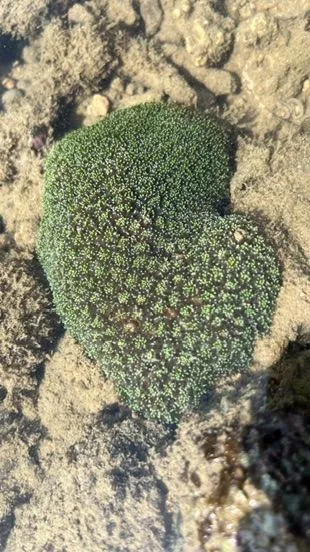
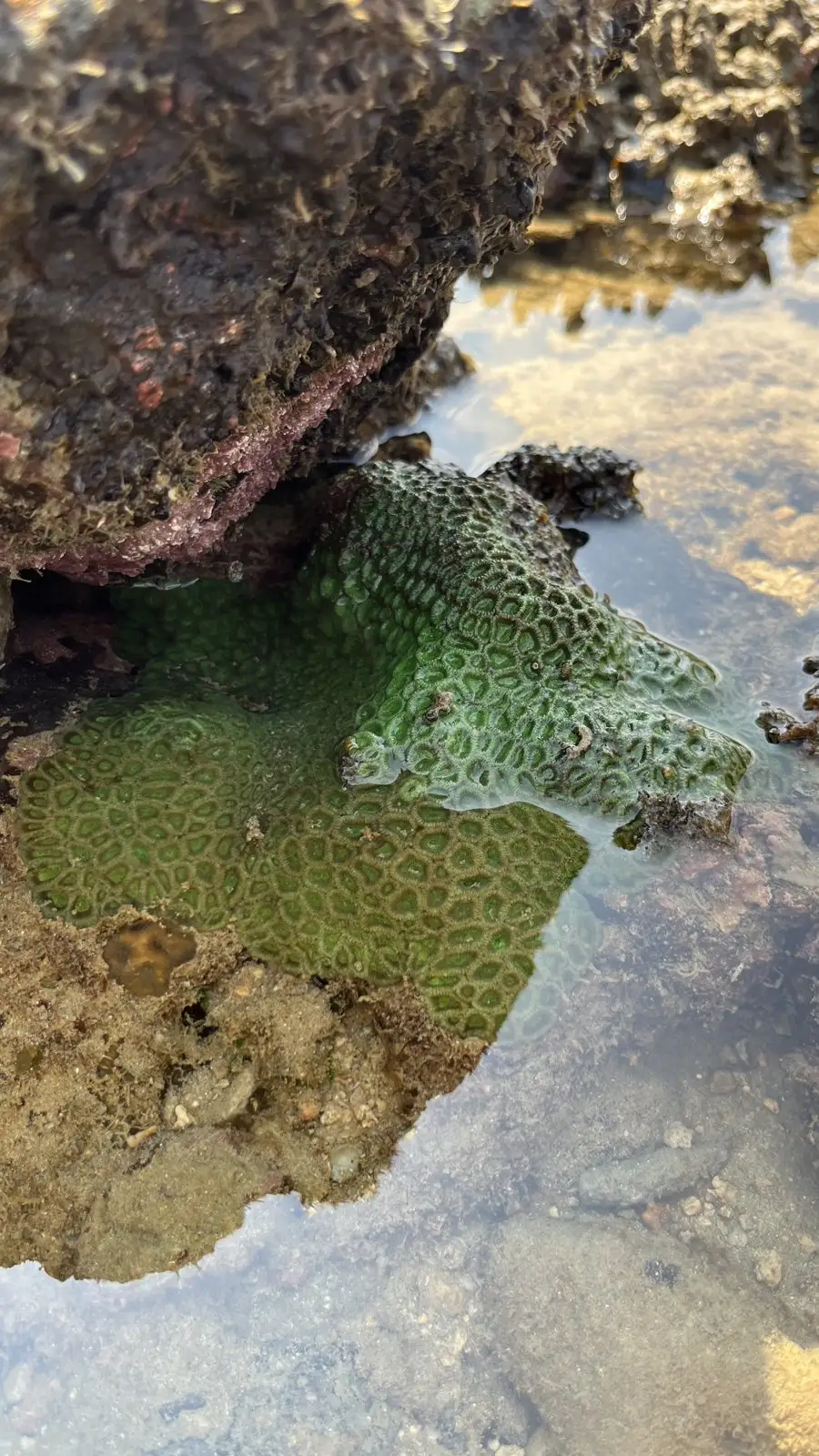
Hard coral
Scleractinia
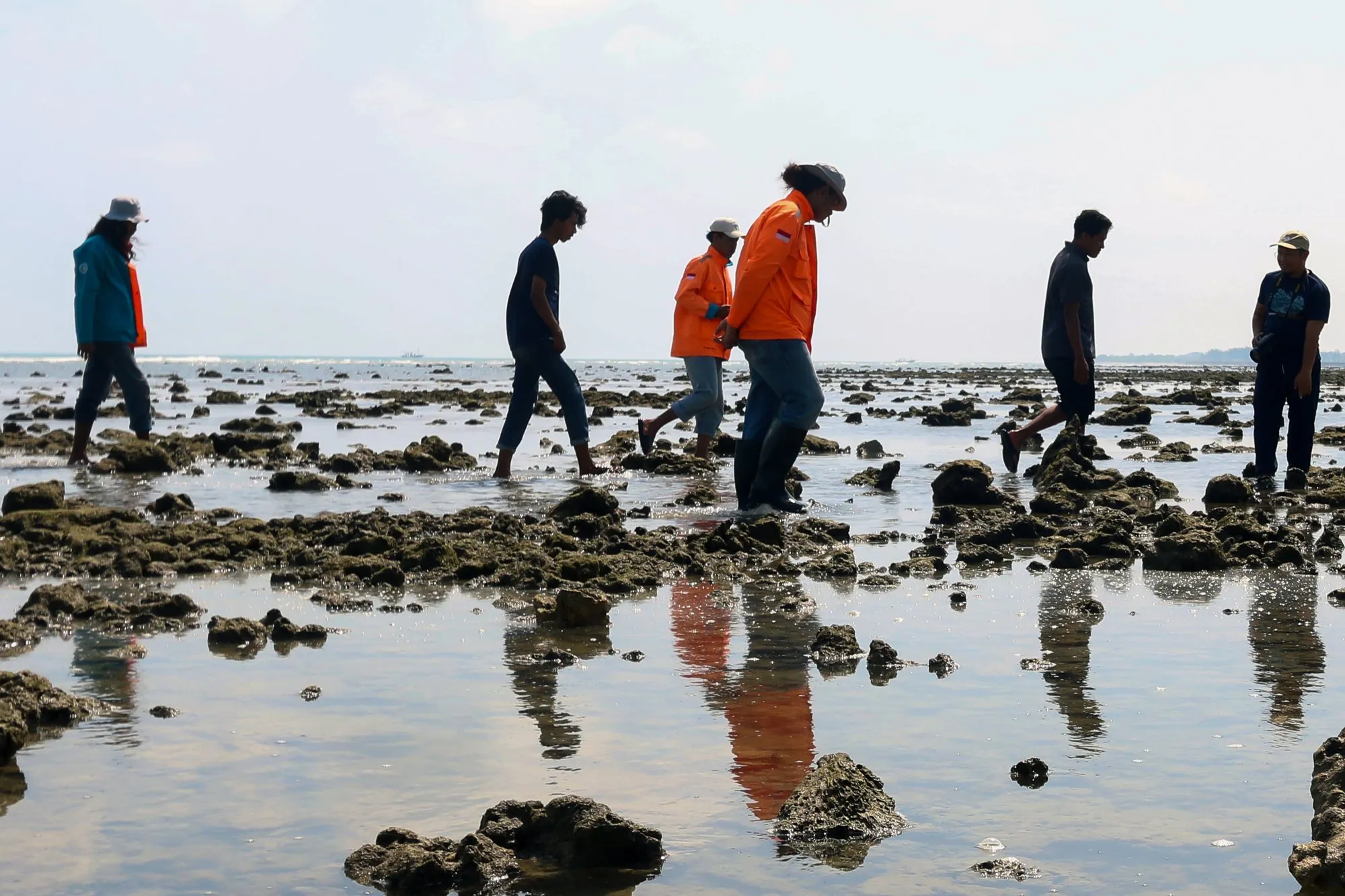
Reef-building corals on the reef flat, visible at low tide.
Coastal and Marine Biodiversity Reserve
Sepulu · Bangkalan · Madura, Indonesia
At a glance
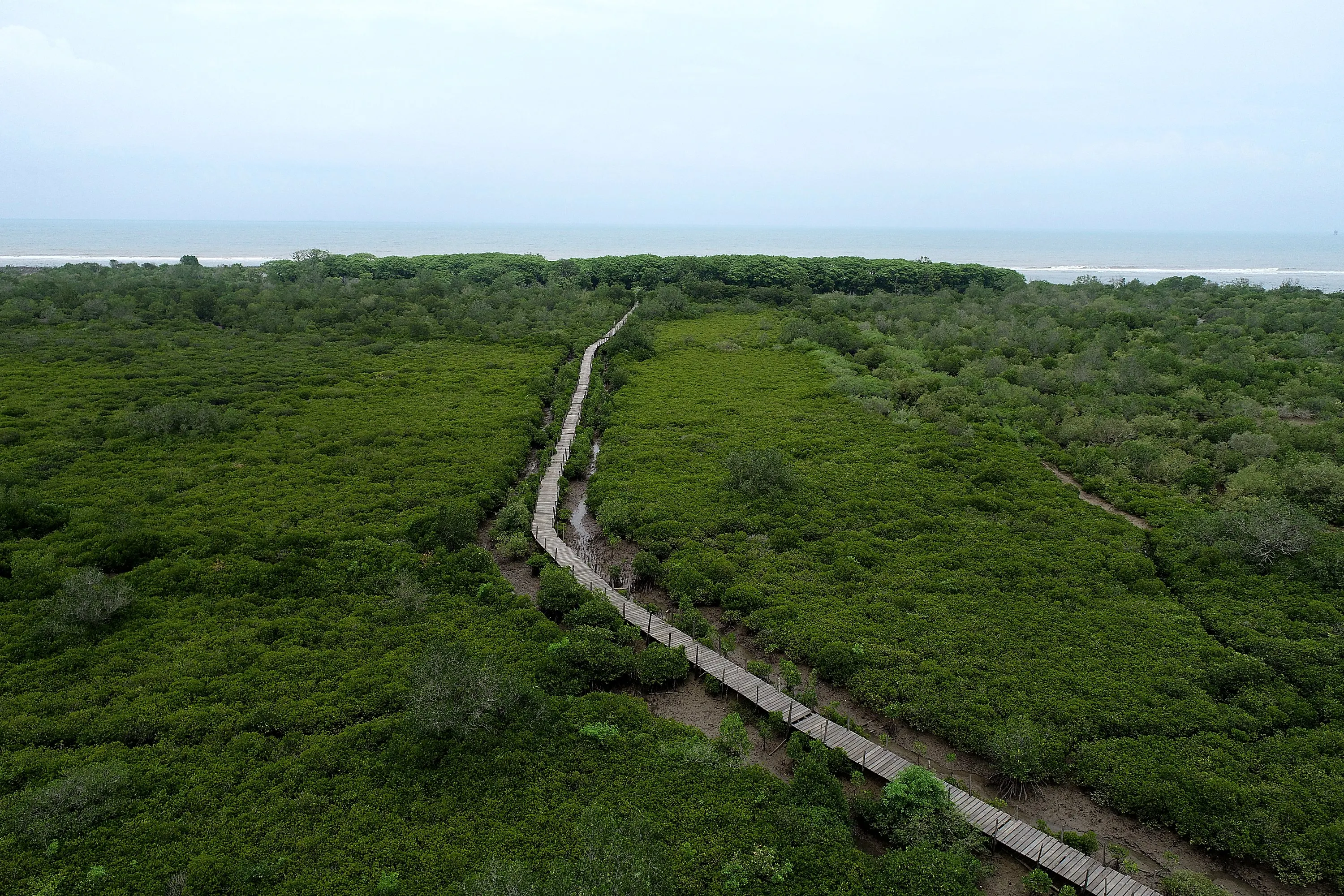
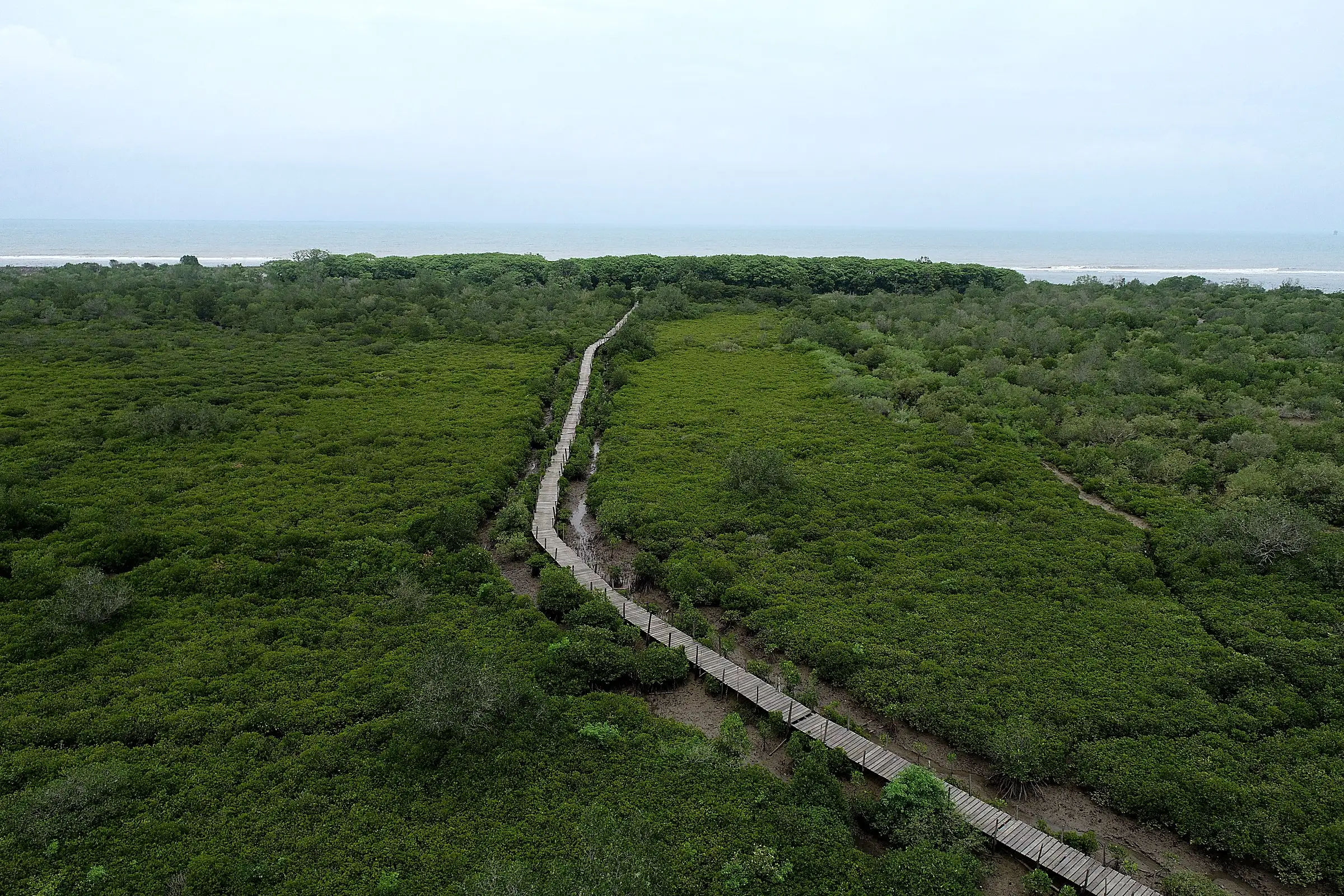
Walk through a vast mangrove forest on the north coast of Madura, look for 76 recorded bird species, then explore a beautiful coral reef that is recovering, at low tide.
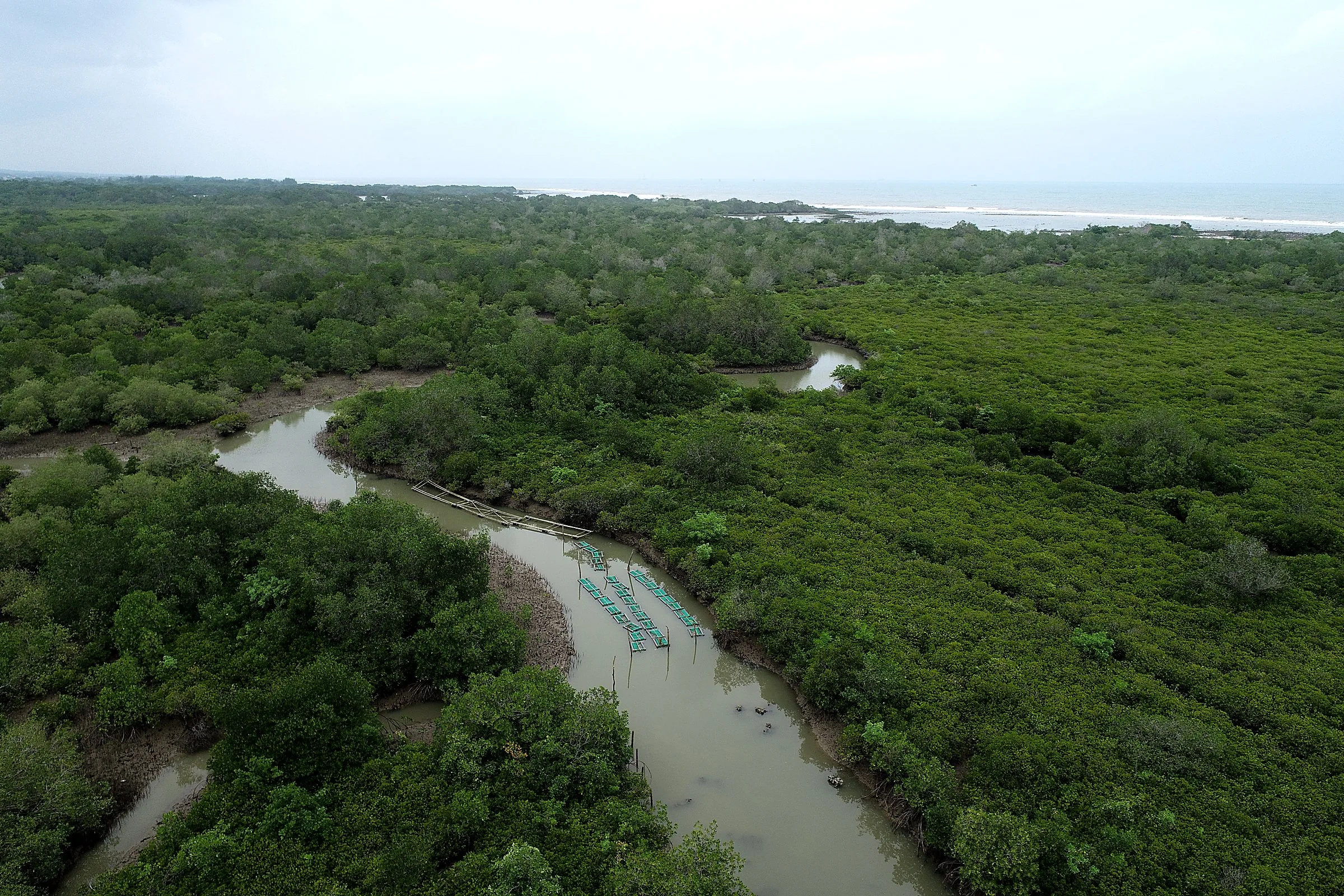
A vast mangrove forest dominated by Ceriops decandra, a mangrove species listed as Near Threatened worldwide, sits beside a white-sand beach, coastal forest, coastal grassland and a coral reef. Together they are home to a rich variety of plants and animals. Since 2017 the Lembung Paseser village community have planted, protected and monitored this coast, and now welcome visitors, schools and researchers.
Run by the village
Walks are guided by members of the Lembung Paseser community
Follow the tide
Low tide is the best time to explore the reef flat
Come early, stay late
Birds are most active at sunrise and towards dusk
The reef flat is best explored at low tide. Birds are most active in the early morning and late afternoon.
Stay on the boardwalk and marked paths. Cutting mangroves, fishing and taking animals are not allowed in the core zone. Take your rubbish home.
For opening hours, entry fee & guides, getting here and accessibility: ask the village team on Instagram DM before you visit.
Ocean Literacy Program
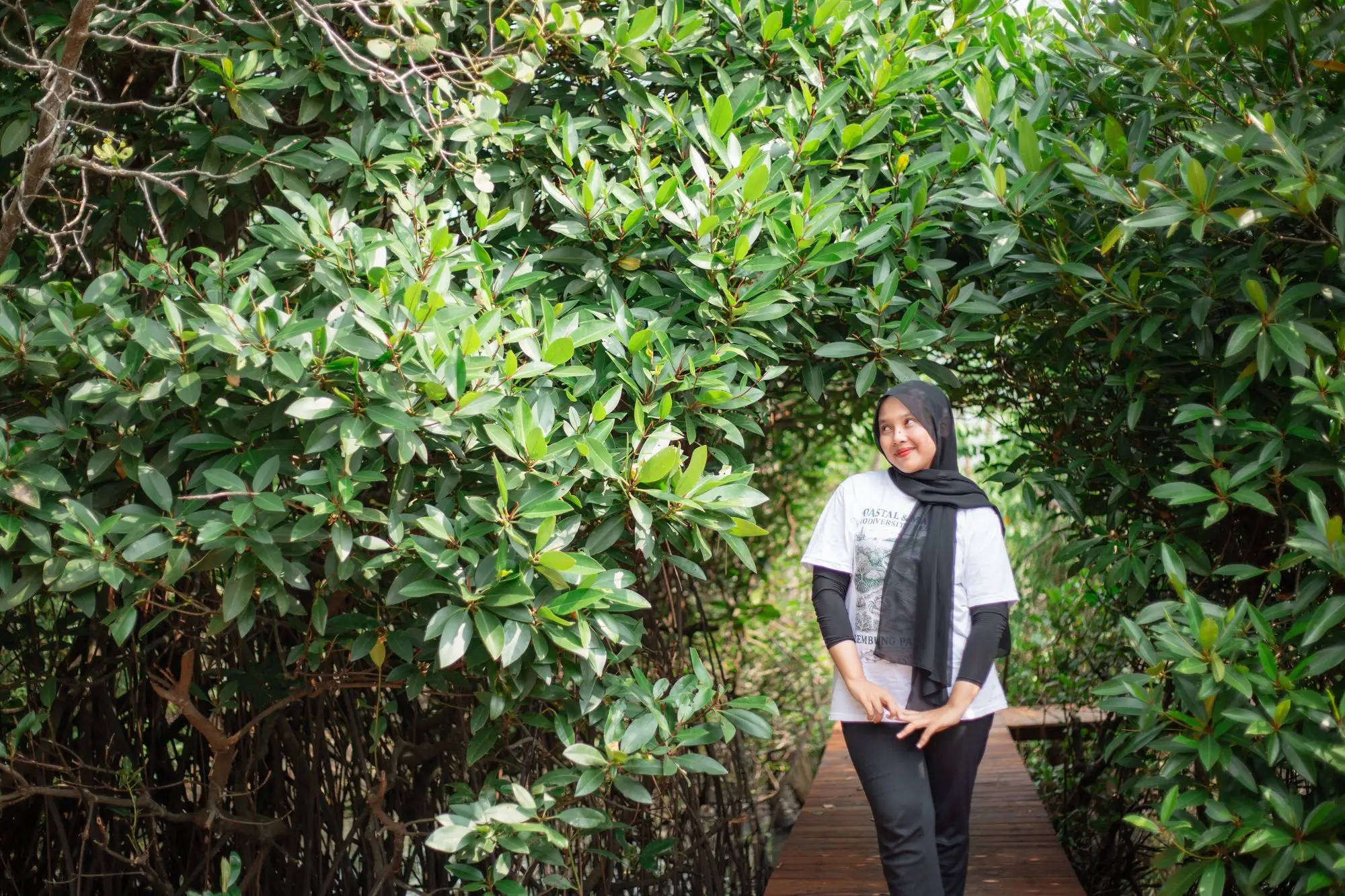
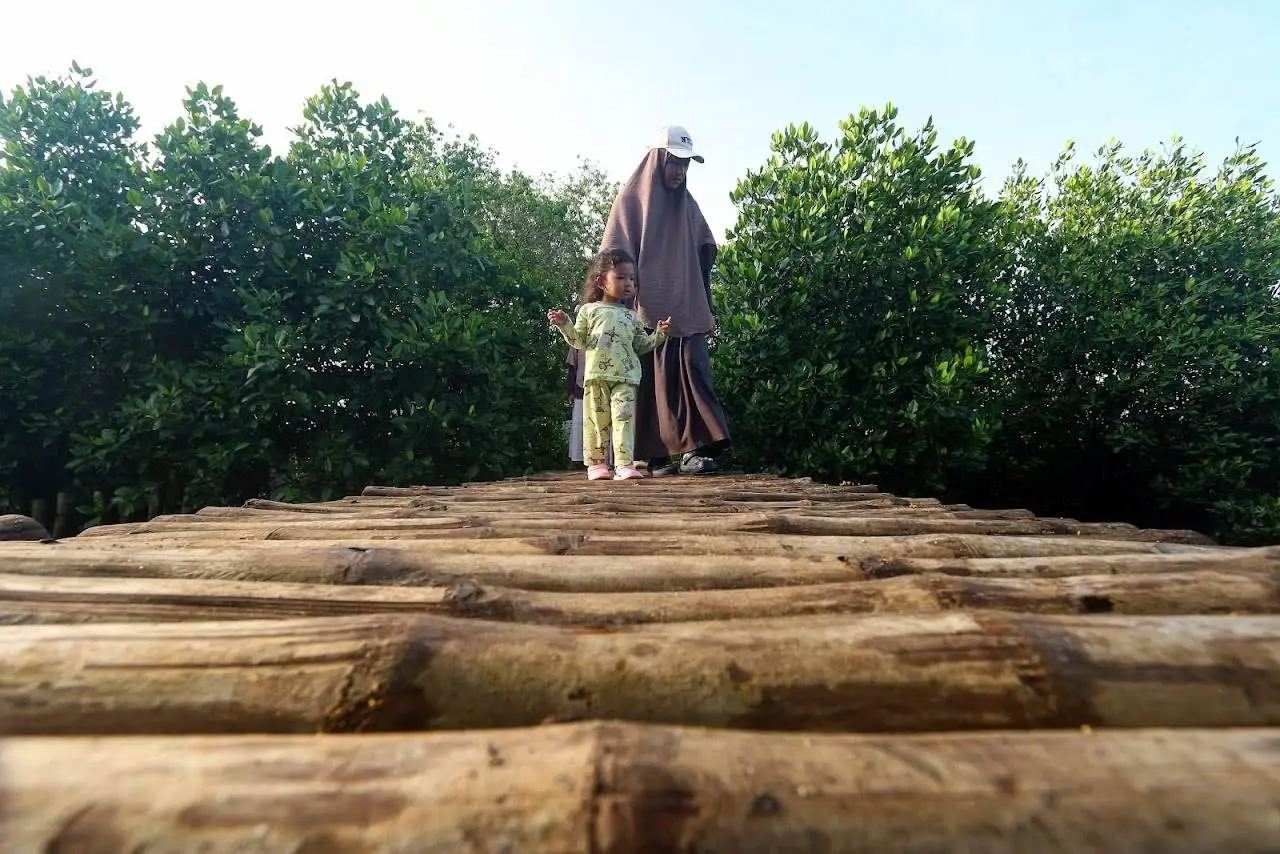
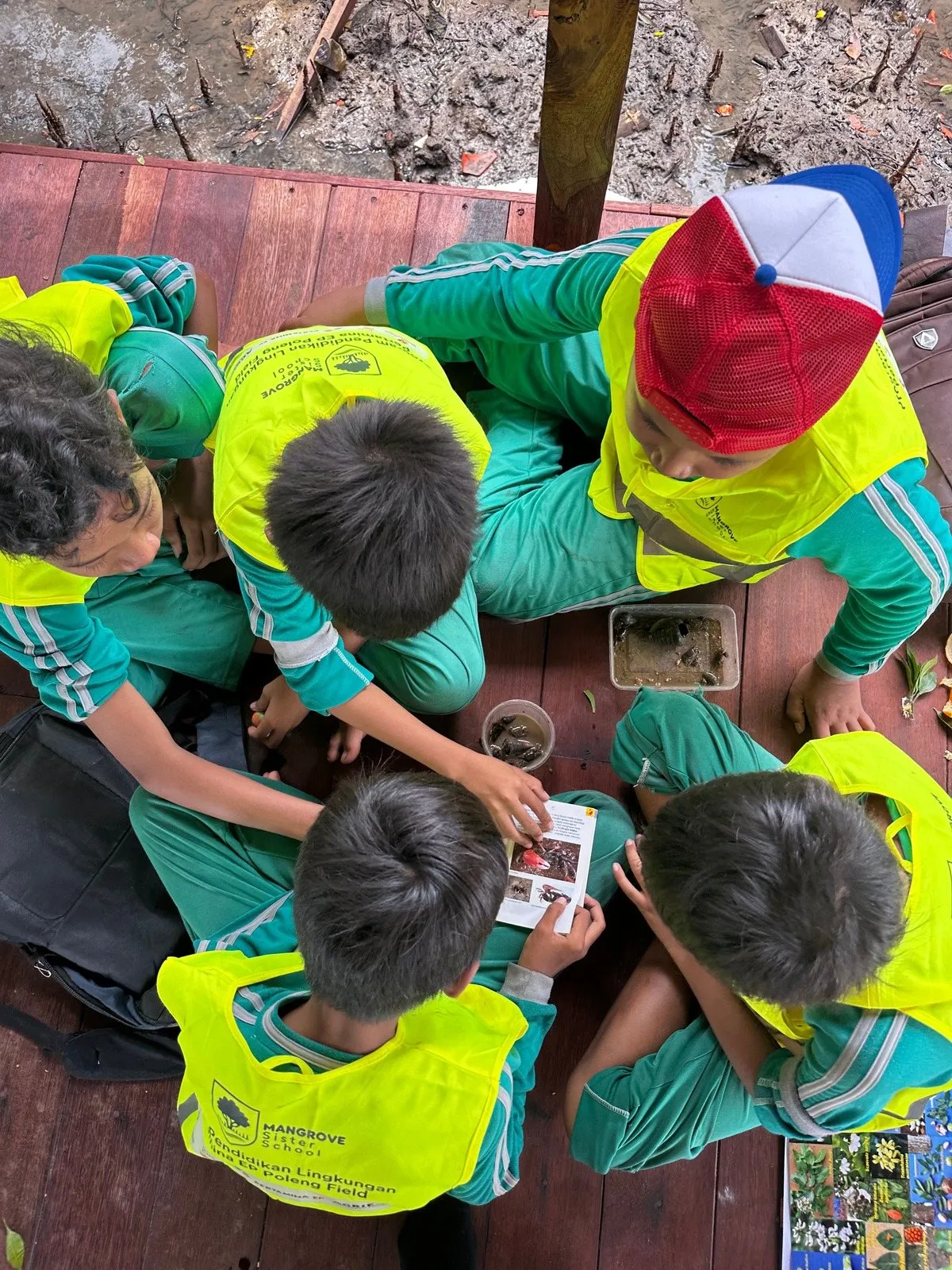
A coastal education programme open to everyone: families, community groups, universities and office teams. Participants learn about coastal and marine ecosystems hands-on: a mangrove walk, coral transplantation, and games and reflection to close.
 Education
A hands-on coastal education programme open to everyone, combining a mangrove walk, coral transplantation, and games and reflection.
 Nature
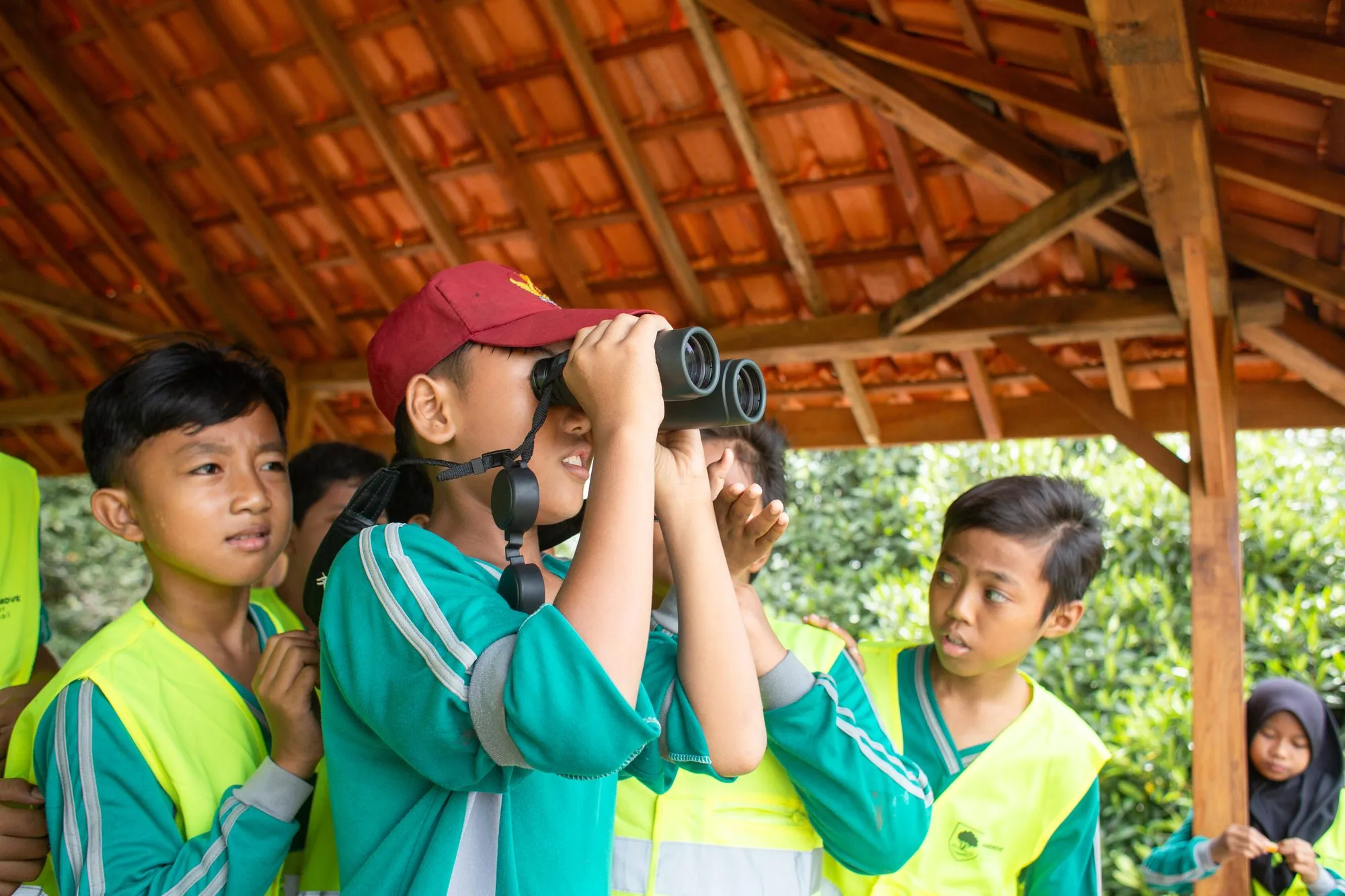
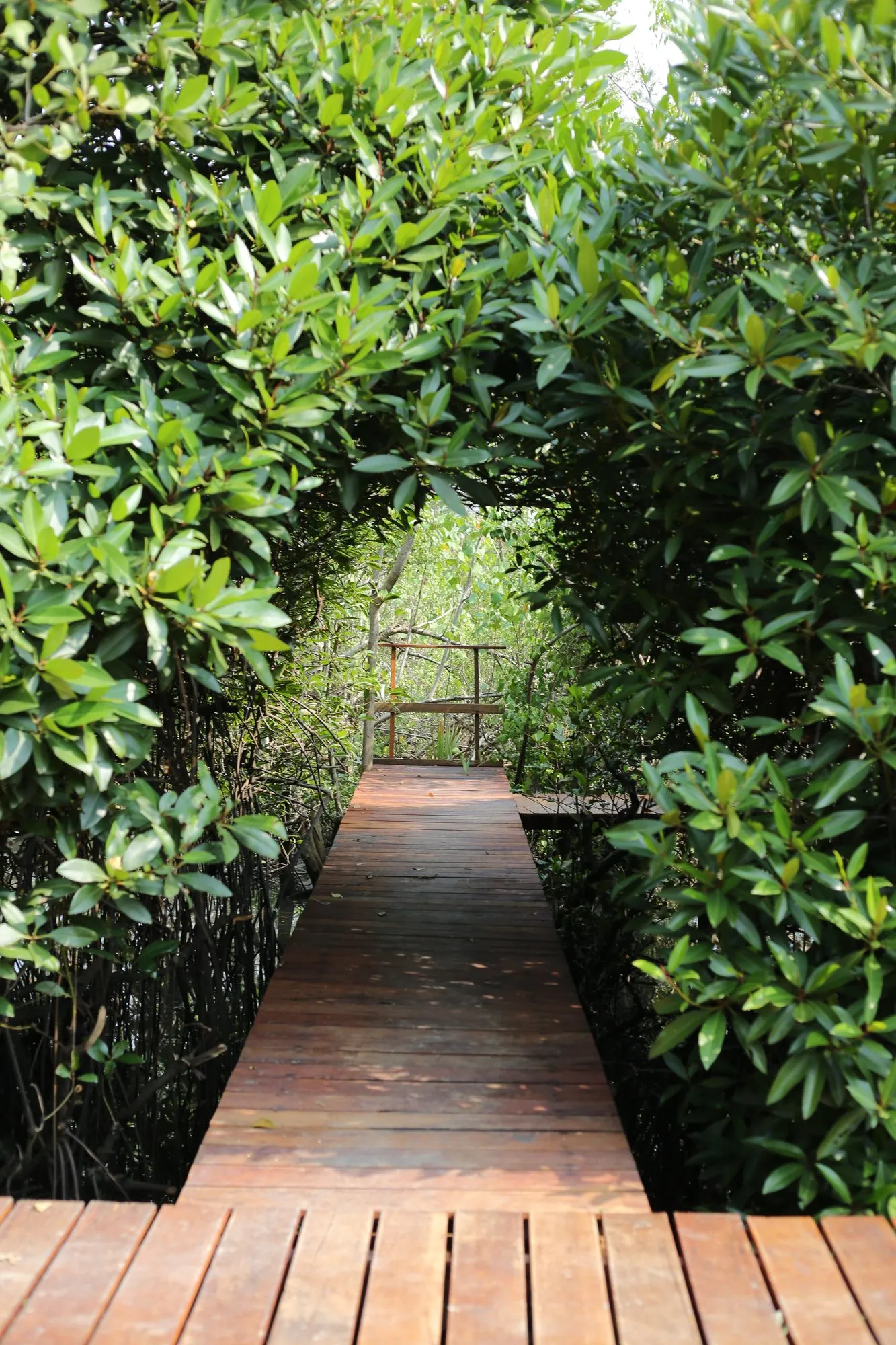
Walk through the mangrove forest with a guide to learn its species, its wildlife and how it protects the coast.
 Restoration
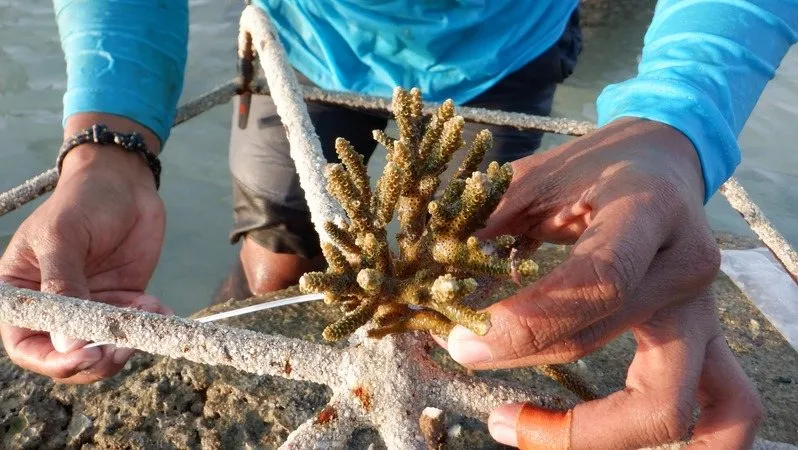
Learn how damaged reefs are restored by attaching healthy coral fragments to restoration frames and placing them on the reef.
Food & nature · 1.5–2 hours
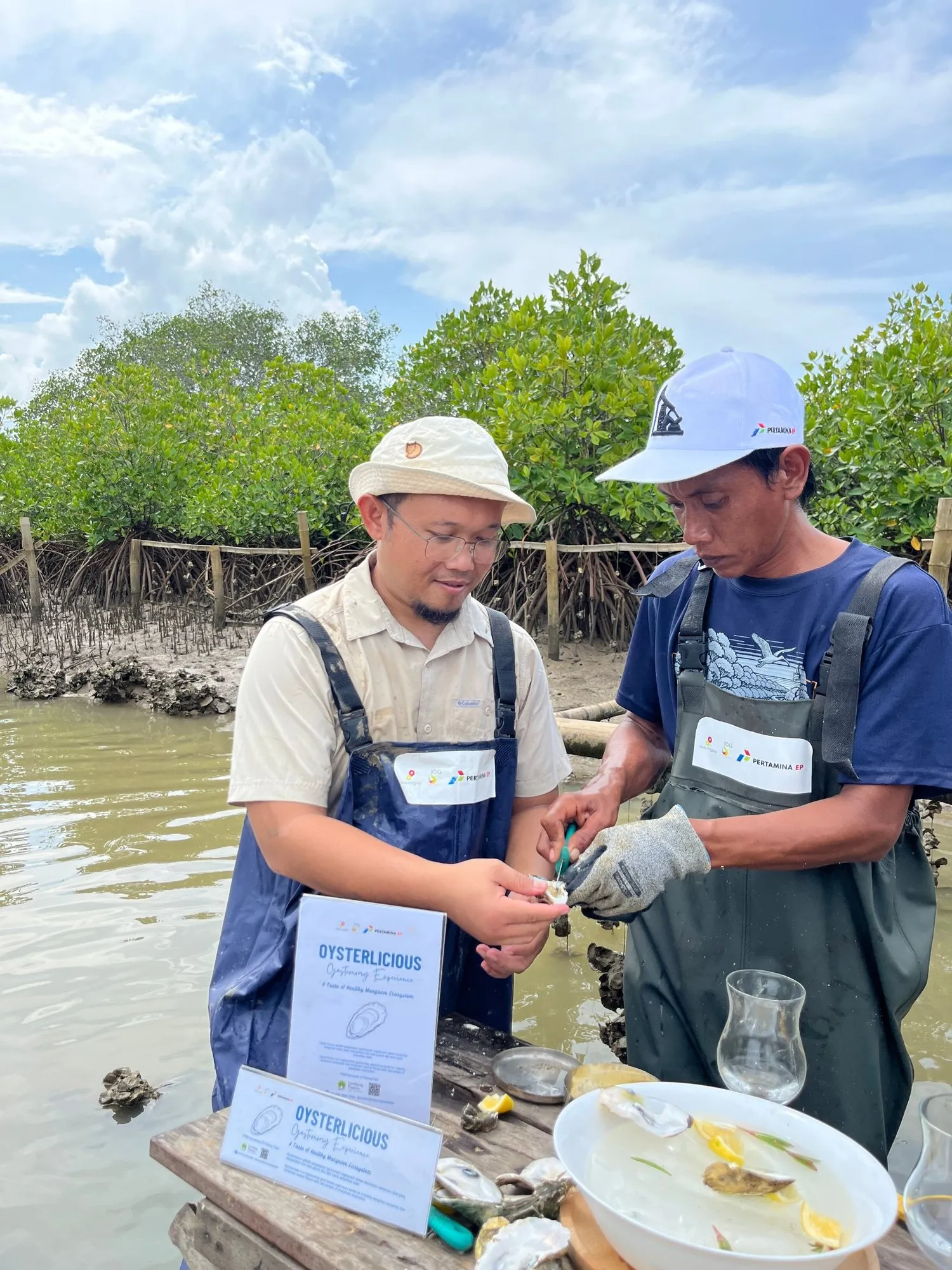
Put on waders, step into a mangrove creek, harvest oysters and taste them fresh and grilled at a table in the water. Then build an oyster garden, plant a mangrove seedling in your name, and finish with a mud-crab feast in the gazebo.
Stay overnight
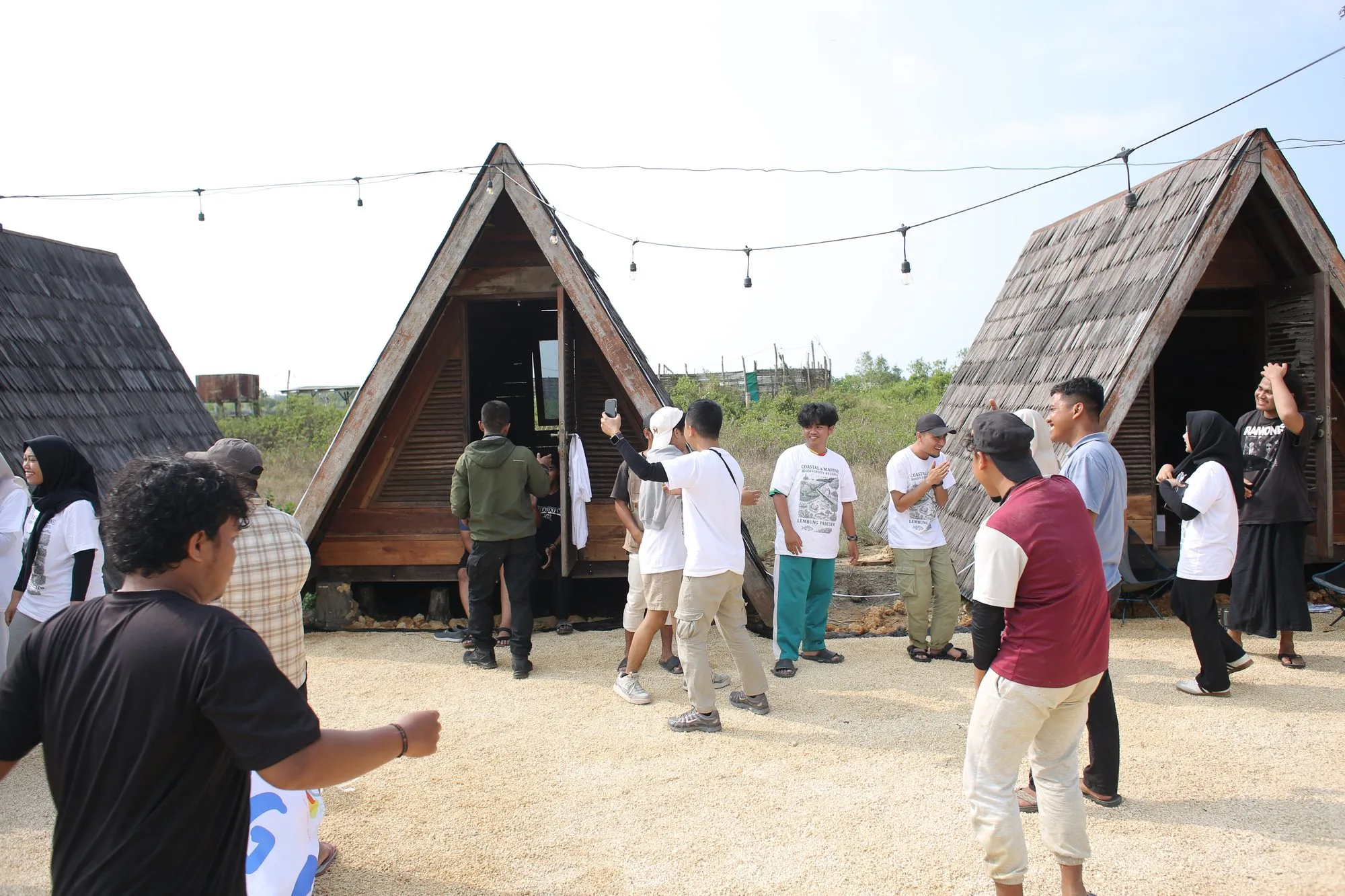
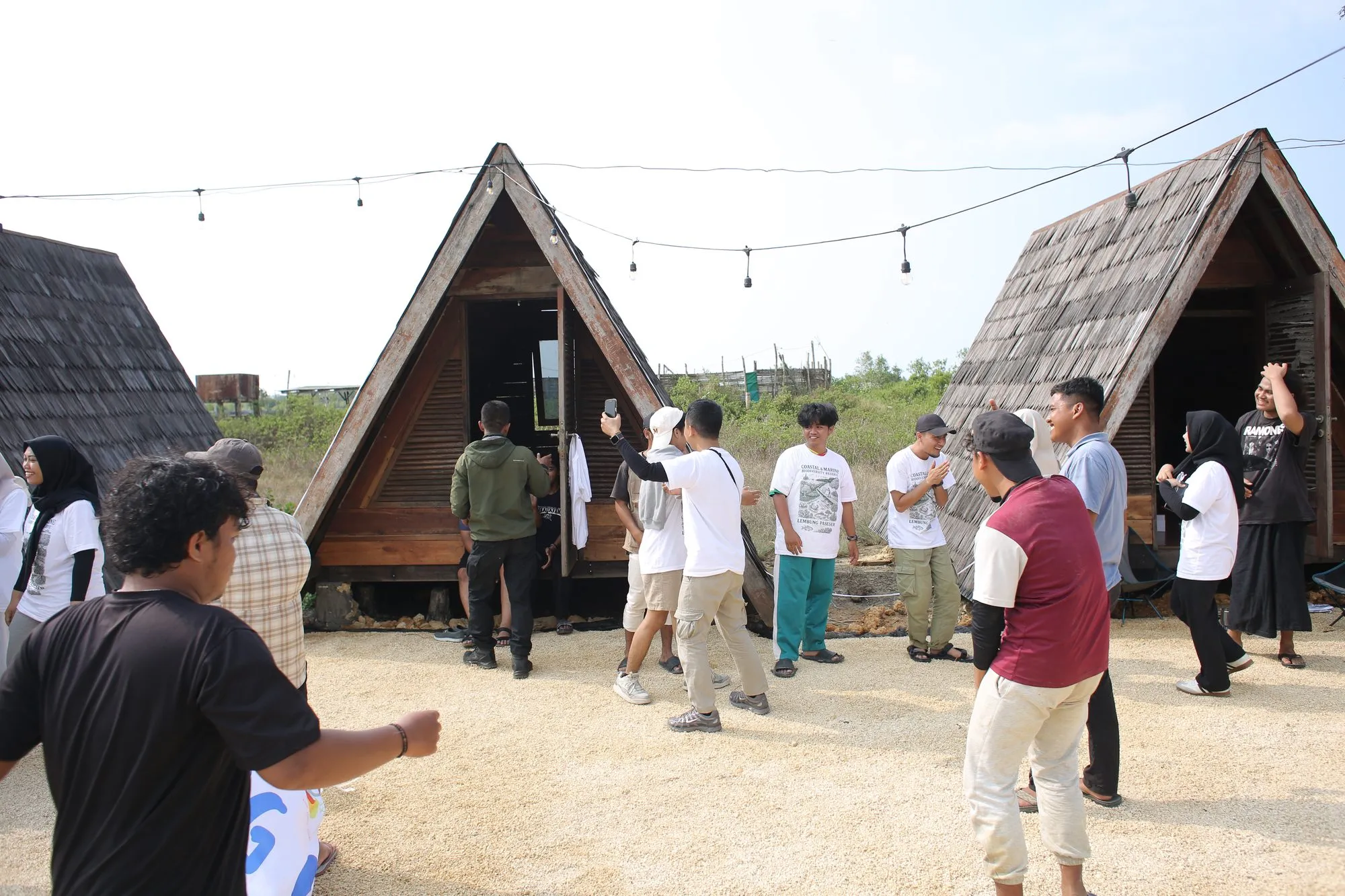
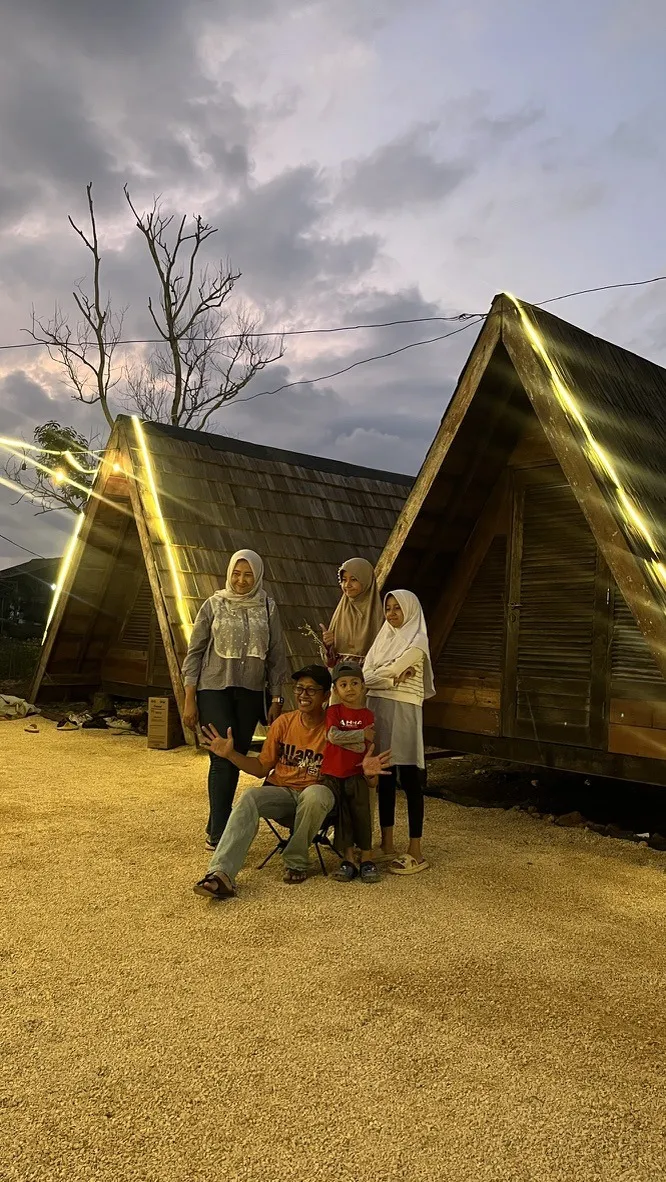
Six 3 × 3 m wooden huts, each with a fan, stand at the edge of the reserve. Stay the night, listen to the tide come in, and be first on the boardwalk at dawn, when the birds are most active.
Book a hut76 bird species have been recorded here, including 12 migrants, among them shorebirds travelling the East Asian–Australasian Flyway. The reserve also has 34 true and associate mangrove species, a reef flat home to reef fish, and a shore full of clams, snails and crabs.
Go birdwatching with a village guide See the full biodiversity data Species Scleractinia
Reef-building corals on the reef flat, visible at low tide.
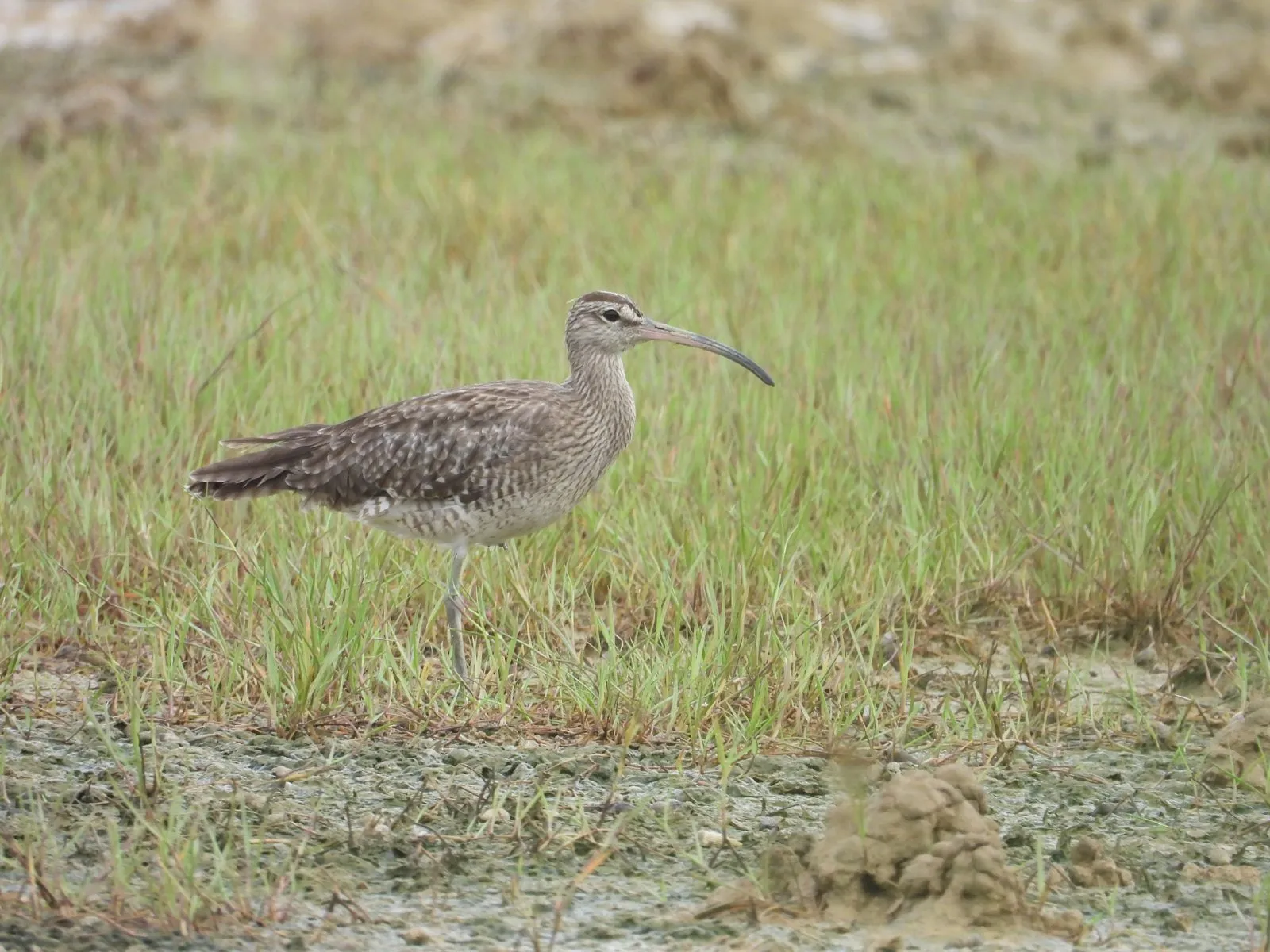 Species
Numenius phaeopus
A migratory shorebird with a long, curved bill that stops over to feed on the former fish ponds on migration.
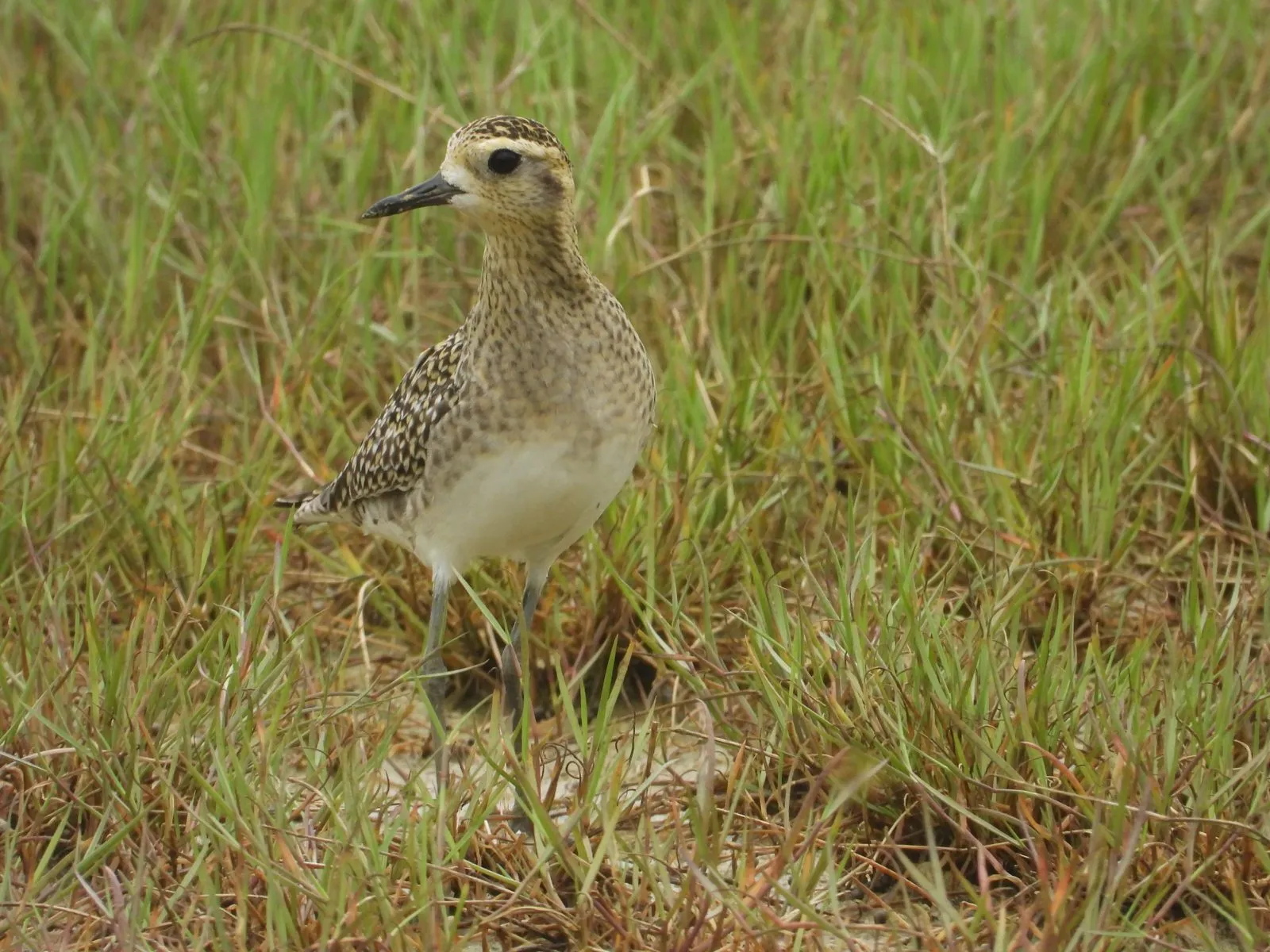 Species
Pluvialis fulva
A migratory shorebird that stops over on the former fish ponds while travelling the East Asian–Australasian Flyway.
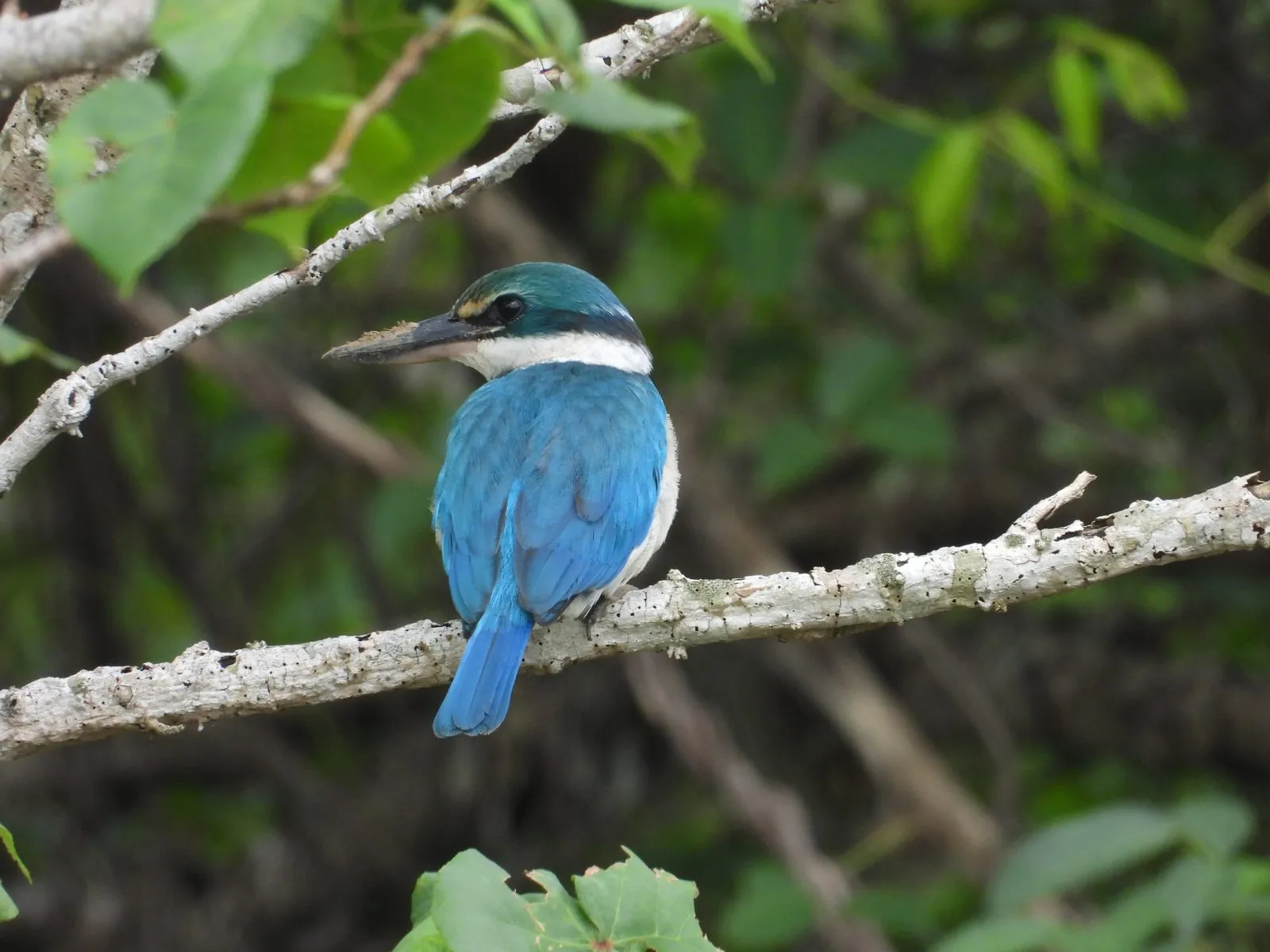 Species
Todiramphus chloris
A white-collared kingfisher that often perches on branches at the mangrove edge, watching for prey.
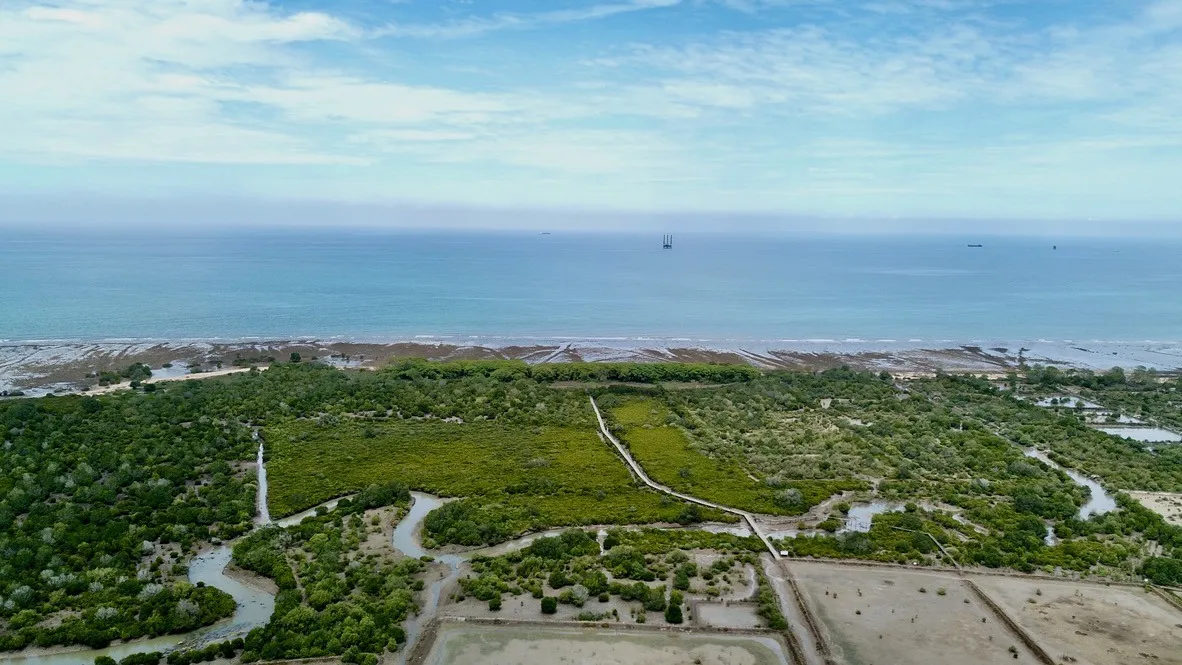
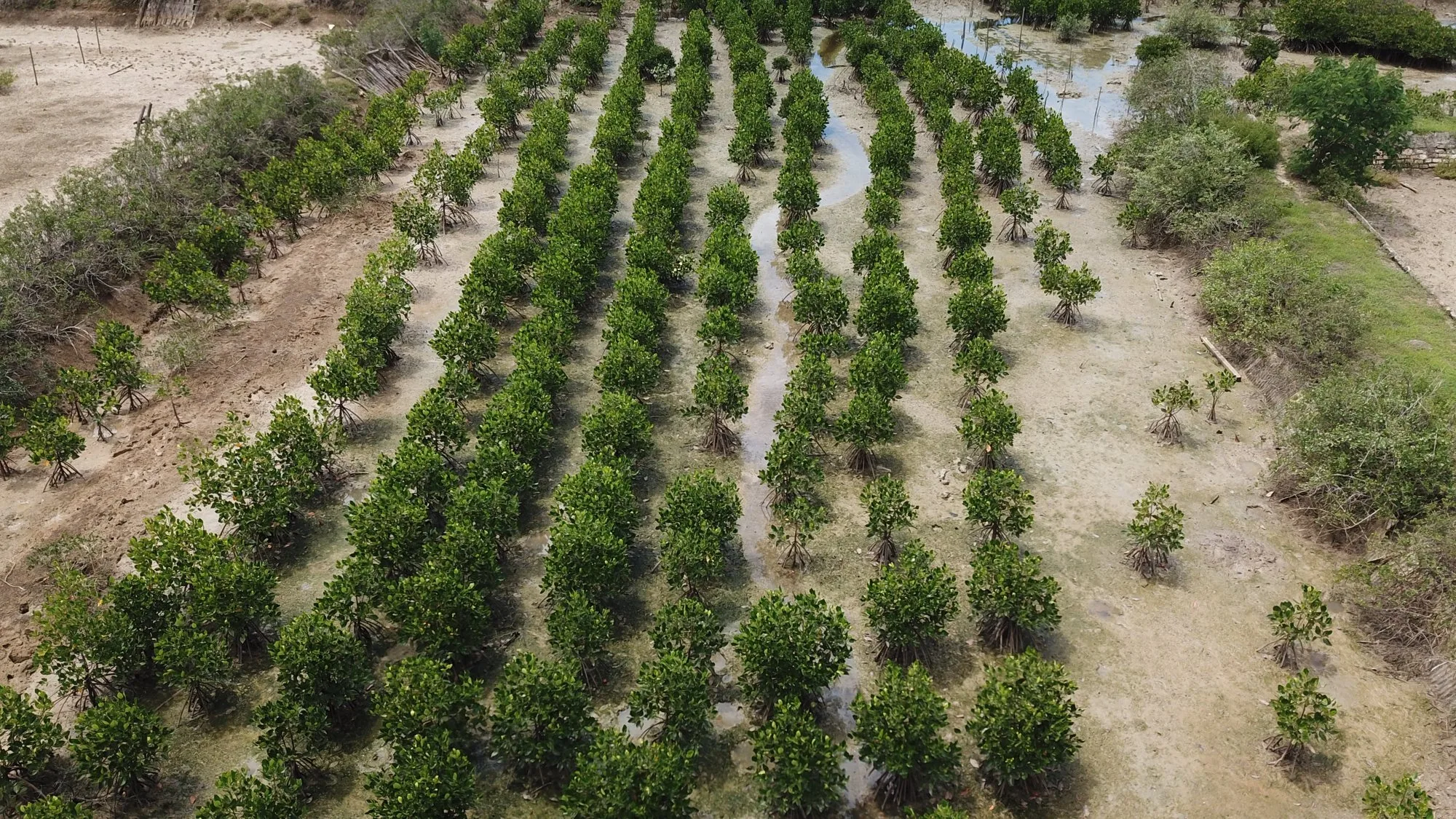
In the 1990s, part of the mangrove forest on the Lembung Paseser coast was cleared for shrimp ponds. The conservation programme began in 2017, and since then villagers have replanted former ponds, riverbanks and coastal forest.
Today the reserve has 147.20 hectares of mangroves, dominated by Ceriops decandra, with plots planted by villagers in between. The mangroves link land and sea: they filter run-off from the land and act as nurseries for fish and crabs, while the former fish ponds give migratory shorebirds a place to feed. The village protects them with its own zoning rules.
Our journey
It all began with restoring the coast. Mangroves that had given way to shrimp ponds were replanted by villagers and protected by village rules.
As the mangroves recovered, they became a classroom for schools around the reserve, so the next generation would help protect them.
So that people could come, learn and stay comfortably, the reserve gained facilities that sit lightly in nature.
Healthy mangroves give villagers new livelihoods without cutting the forest, through oyster farming and beekeeping.
Restoration, schools, facilities and village products now come together as experiences anyone can join.
Volunteering
From planting mangroves and counting birds to beach clean-ups and helping with school visits, the reserve thrives on people who give their time to nature.
Ask about volunteering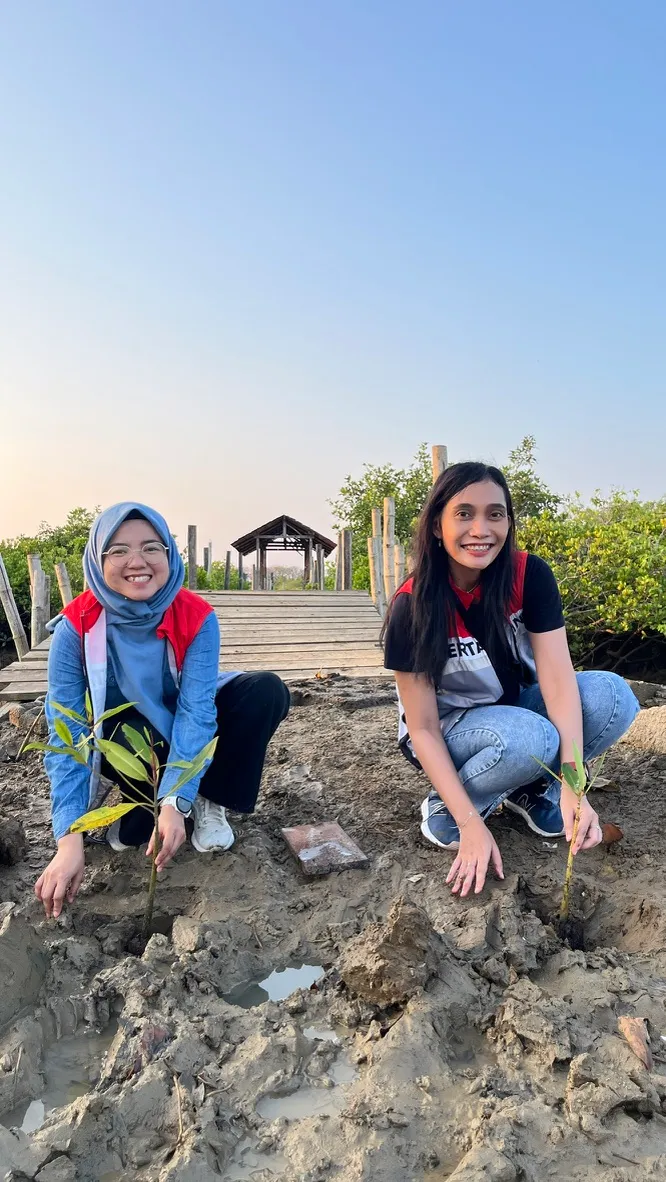
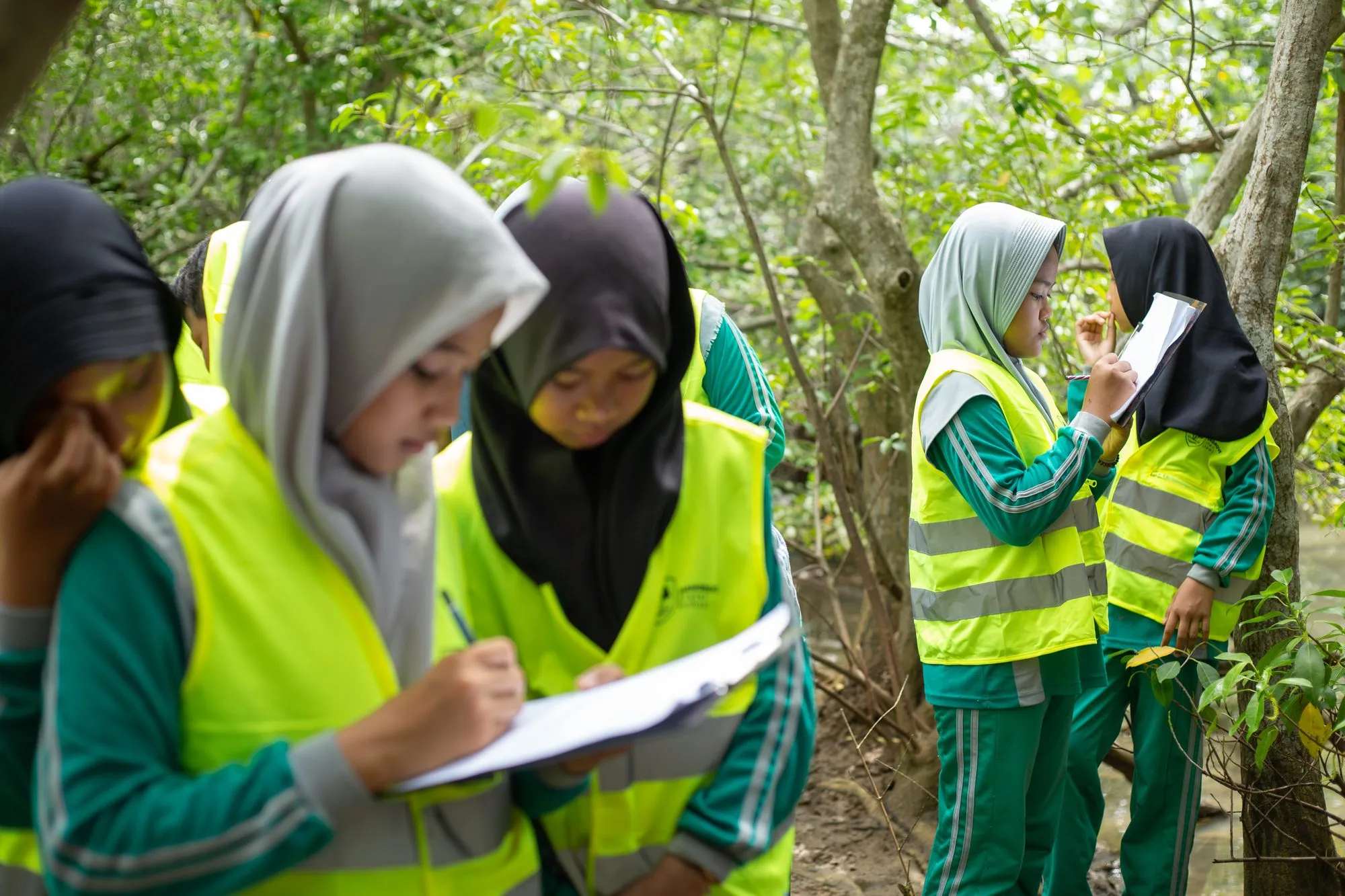
A mentoring programme for schools near the reserve: primary schools in Sepulu district, senior high schools across Bangkalan regency, and Scout groups in Sepulu. Pupils learn to identify mangroves, watch birds and plant their own seedlings, so a sense of ownership of the coast grows from an early age. In 2025 the programme reached 13 primary schools, 476 pupils and 72 teachers, starting with an environmental education workshop for teachers.
Schools from further afield can join the Ocean Literacy Program.
A nearby school? Contact usLatest
FAQ
CMBR (Coastal and Marine Biodiversity Reserve) Lembung Paseser is an integrated coastal ecosystem on the north coast of Madura, Indonesia, where mangroves, a river, coastal forest, seagrass and coral reef form one landscape. It is managed by the Lembung Paseser village community and fully funded by Pertamina EP Poleng Field.
In Lembung Paseser village, Sepulu district, Bangkalan regency, Madura, East Java, Indonesia. Use the Google Maps button on this site for directions.
Join the Ocean Literacy Program (a mangrove walk, coral transplantation, and games and reflection), go birdwatching, try the Oysterlicious oyster experience, stay overnight in a wooden hut, and do research or training.
Yes. There are six 3 × 3 m wooden huts with fans at the edge of the mangroves. Overnight stays and groups need to book in advance.
Yes. School groups from anywhere can join the Ocean Literacy Program, which is open to the public. Schools near the reserve (Sepulu district and Bangkalan regency) are supported through the Mangrove Sister School programme. The open-sided hall holds up to 50 people.
76 bird species have been recorded, including 12 migrants such as the whimbrel, common sandpiper and several terns, as well as the brahminy kite and kingfishers.
At low tide to explore the reef flat, and in the early morning or late afternoon for birdwatching.
No. CMBR Lembung Paseser is in Lembung Paseser village, Sepulu district, Bangkalan regency, on the north coast of Madura. Lembung Mangrove Ecotourism is in Lembung village, Galis district, Pamekasan regency. They are different places with different managers.
Contact
Spotted something interesting?
Your photos and notes on birds, fish and plants help the village monitor how the reserve is recovering.
Send a sighting