About
A coast cared for by its community
CMBR Lembung Paseser is a coastal and marine biodiversity reserve on the north coast of Madura, managed by the Lembung Paseser village community.
What is CMBR?
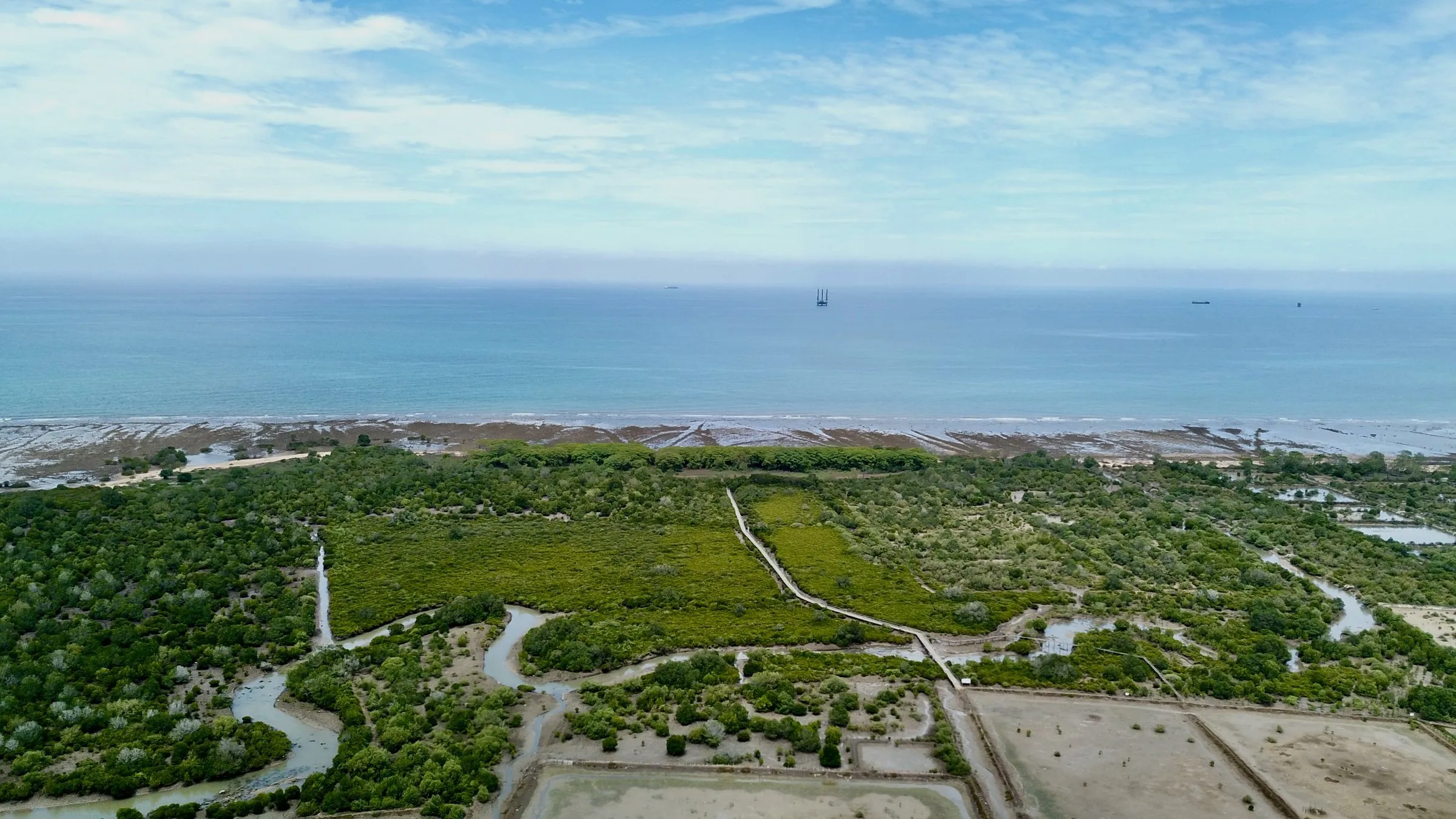
CMBR stands for Coastal and Marine Biodiversity Reserve. It is an integrated coastal ecosystem: mangroves, a river, coastal forest, a white-sand beach, seagrass and a coral reef flat come together in one landscape in Lembung Paseser village, Sepulu district, Bangkalan regency, on the island of Madura, East Java, Indonesia.
In the 1990s, part of the mangrove forest on this coast was cleared for shrimp ponds, causing large-scale damage to the ecosystem. Since 2017, a community-based conservation programme has been restoring it: villagers have replanted former ponds, riverbanks and coastal forest. Mangroves, the river, coastal forest, seagrass and coral reef are managed as one integrated coastal ecosystem rather than habitat by habitat.
Today the reserve is an outdoor classroom. Visitors, schools, university students and researchers come to see how a healthy coast supports both wildlife and village livelihoods.
The village protects its coast through a village regulation that sets protected zones and rules for using the area. The programme is fully funded by Pertamina EP Poleng Field as part of its community development programme, under the supervision of SKK Migas.
Who manages the reserve
The reserve is managed by the Lembung Paseser village community.
Partnership
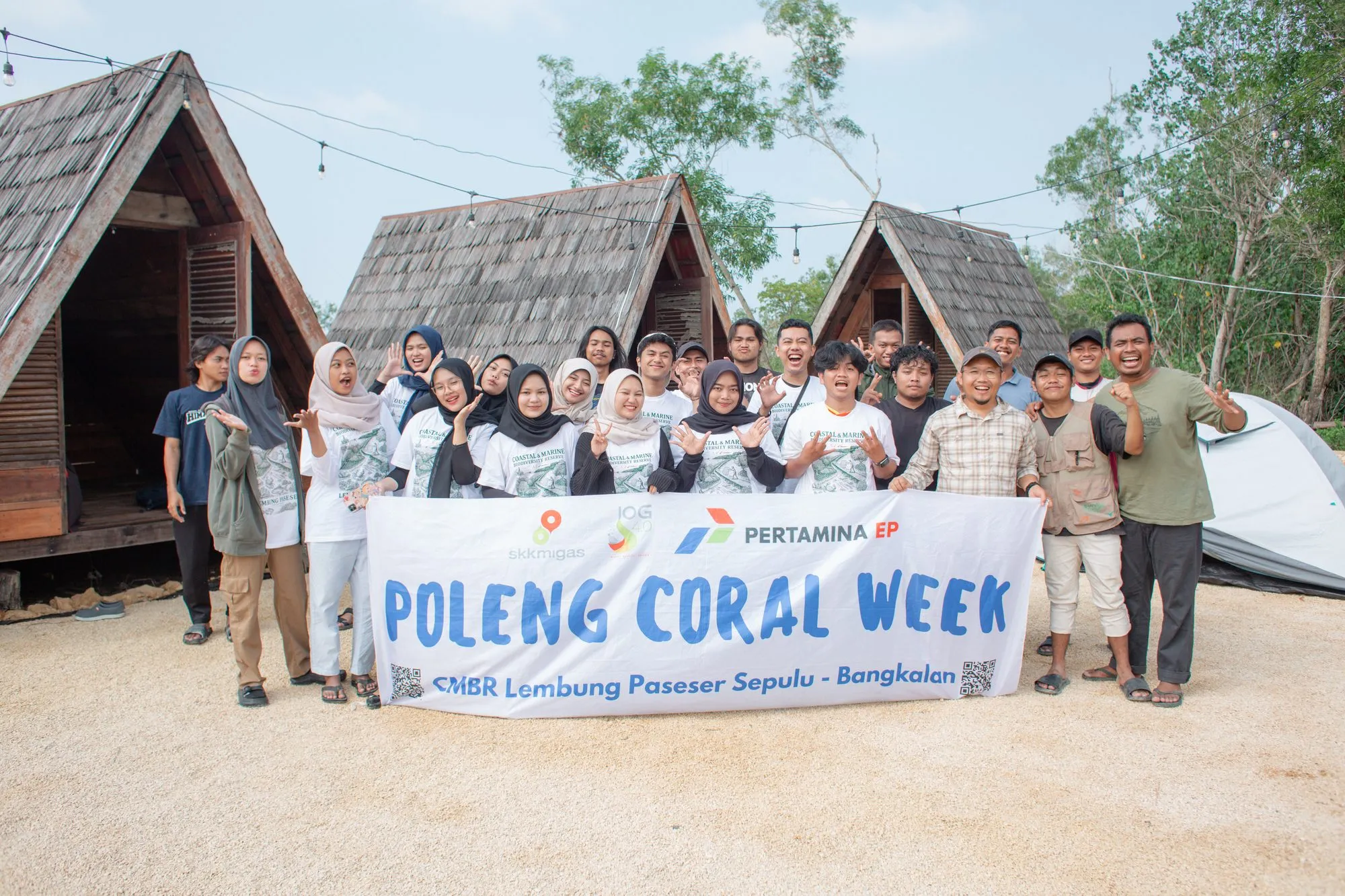
Together with Pertamina EP Poleng Field
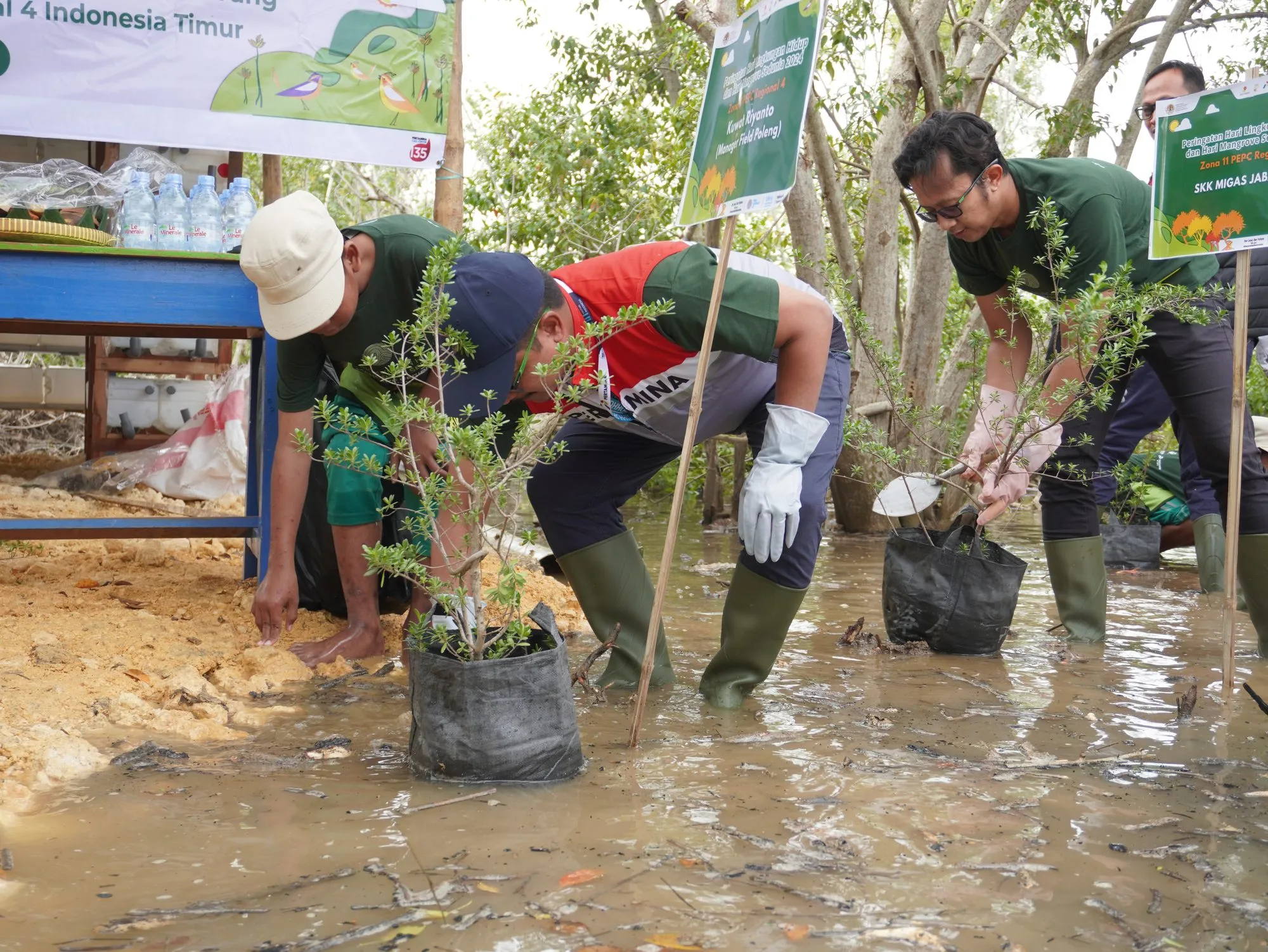
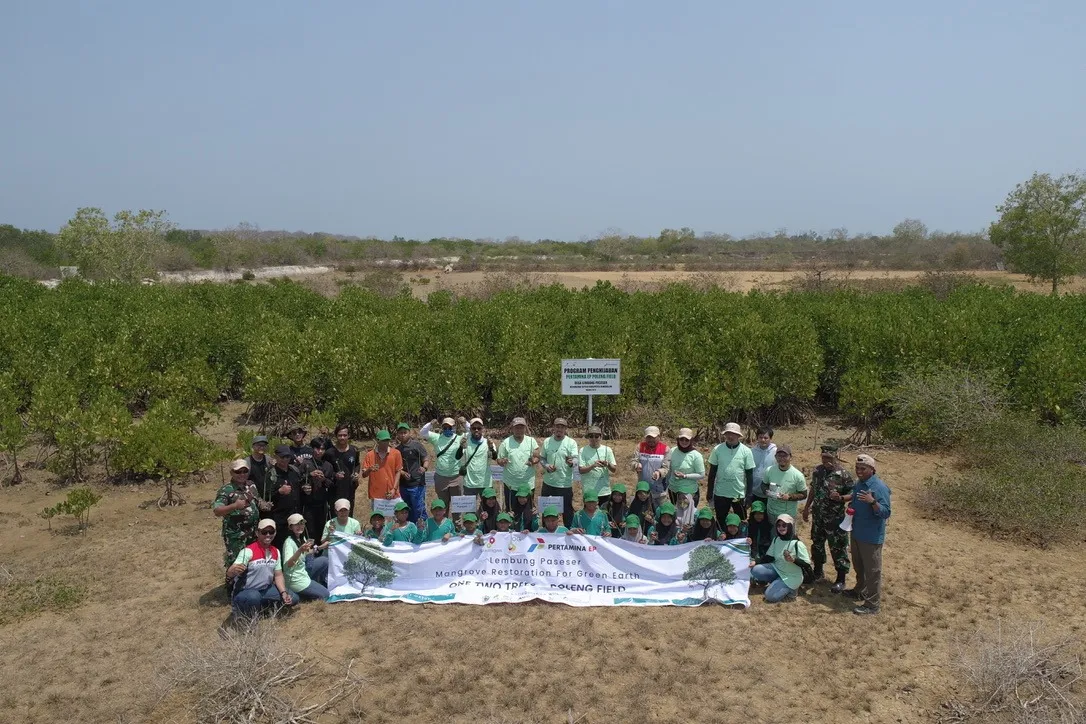
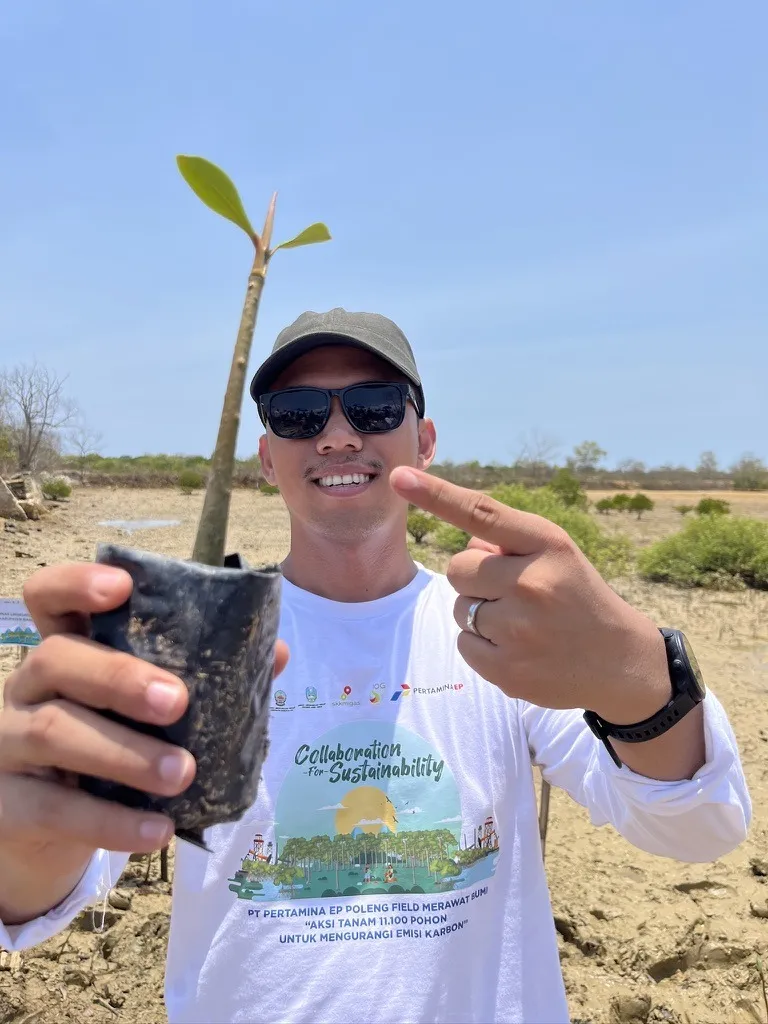
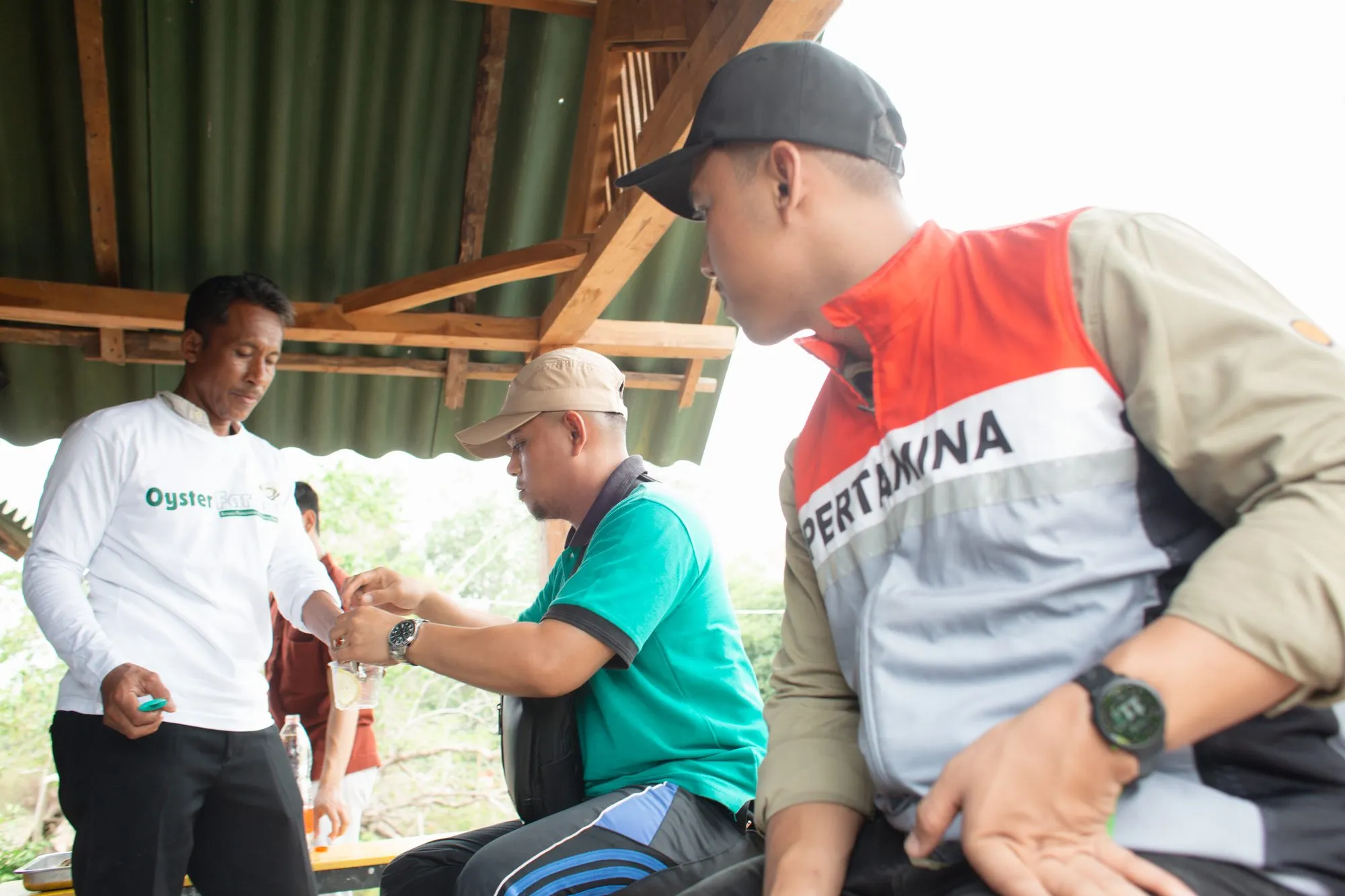
Pertamina EP Poleng Field staff take part in the work on the ground alongside the village: planting mangroves, supporting school and youth activities, and oyster-group training.
Landscape
One integrated coastal ecosystem
The mangroves, river, white-sand beach, coastal forest, grassland, fish ponds, seagrass and coral reef here are connected: water, sediment and wildlife move between them. Along some 4 kilometres of coast facing the Java Sea, a recovering coral reef, a white-sand beach, coastal forest and a vast mangrove forest sit side by side with the river, former fish ponds, and the village's fields and rice paddies.
Most of the reserve is a vast mangrove forest dominated by Ceriops decandra, a mangrove species listed as Near Threatened worldwide. Fringe mangroves along the shore, dominated by Sonneratia alba and Rhizophora stylosa, protect the coast from erosion and waves. On abandoned fish ponds, mangroves dominated by Avicennia marina, Rhizophora apiculata and Rhizophora mucronata form a regeneration zone. Mangroves and seagrass also filter sediment and run-off from the land and act as nursery grounds for fish, while the former fish ponds give migratory shorebirds a place to feed.
Coral reef
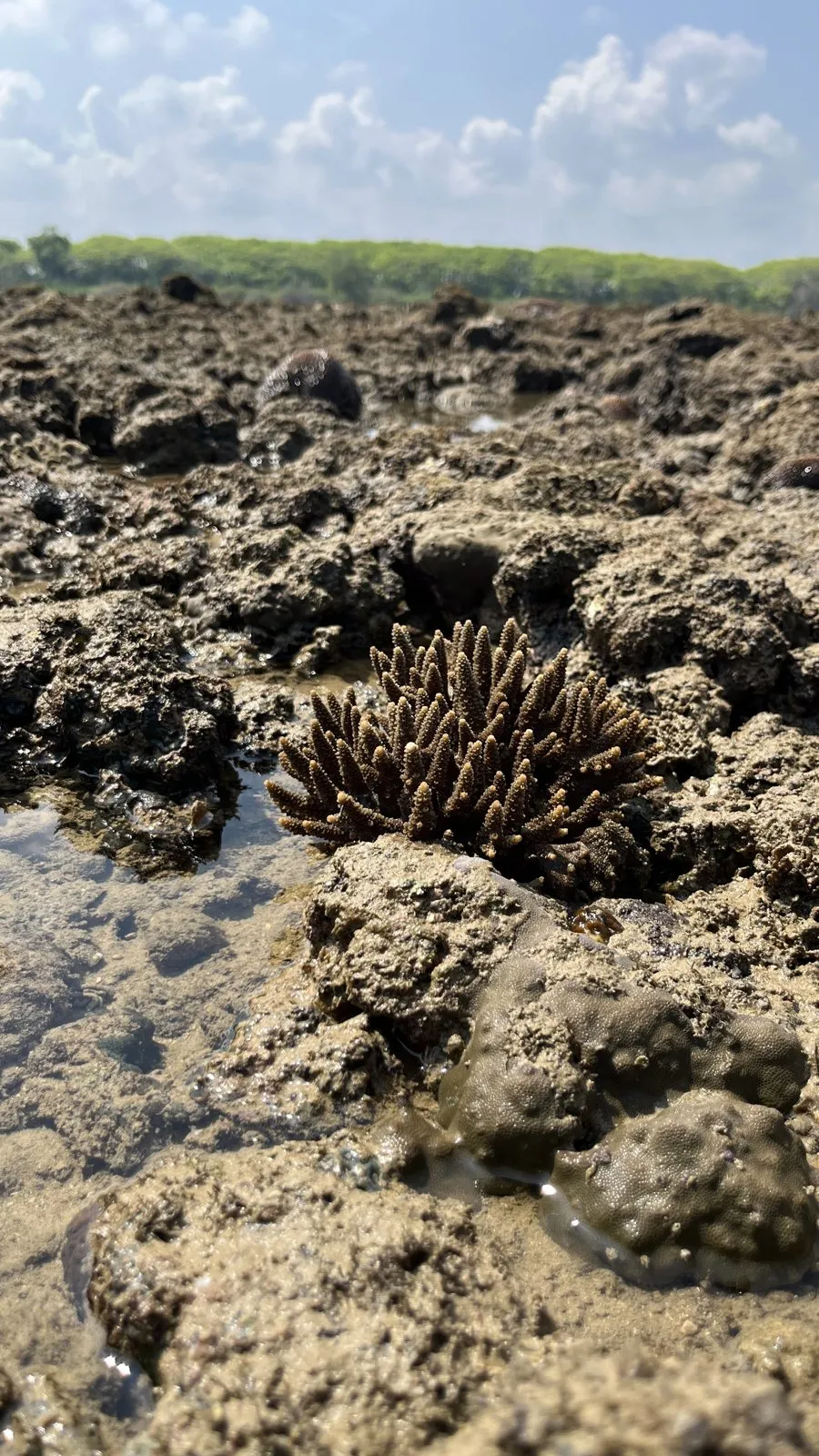
A beautiful coral reef in front of the reserve that is recovering, which you can explore at low tide.
Seagrass
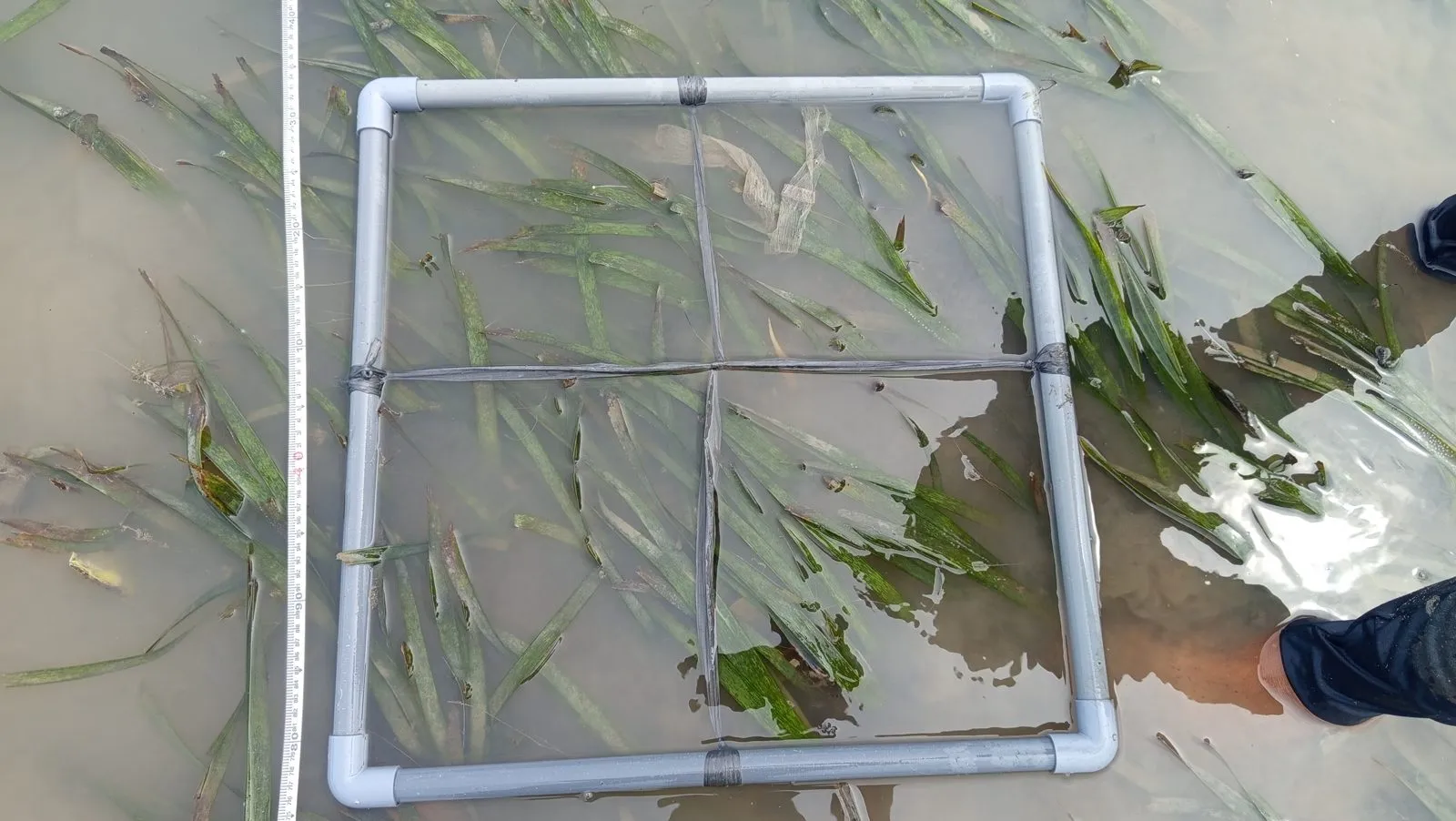
Patches of seagrass in shallow sandy water.
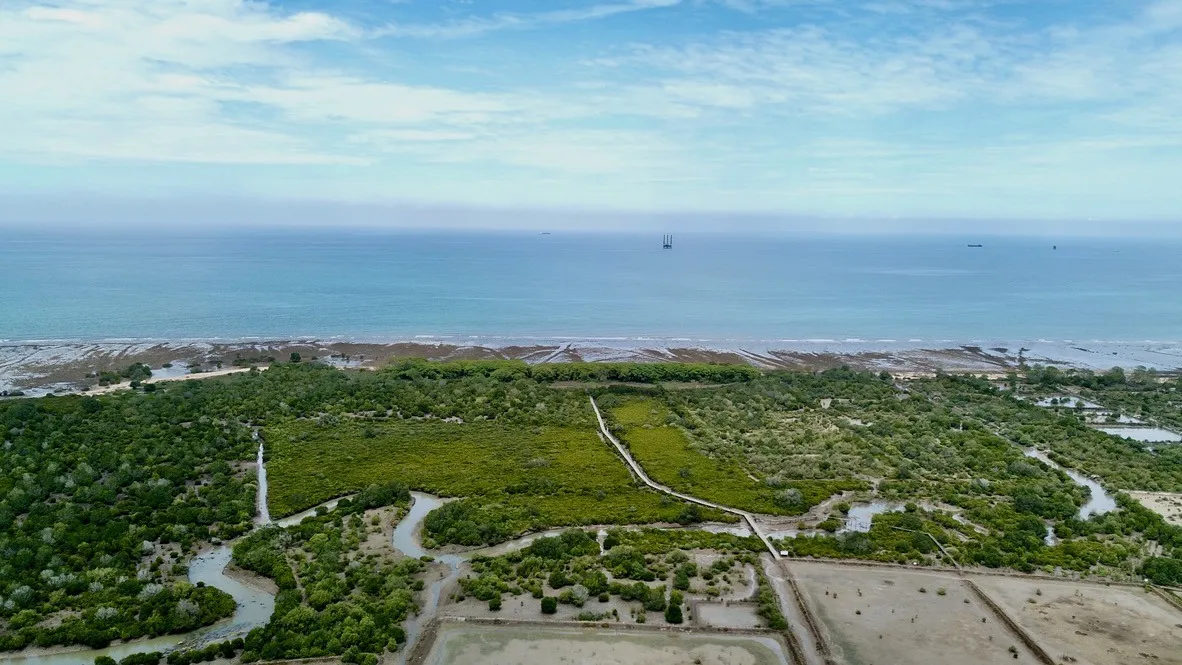
White-sand beach
A white-sand beach at the end of the boardwalk, facing the Java Sea.
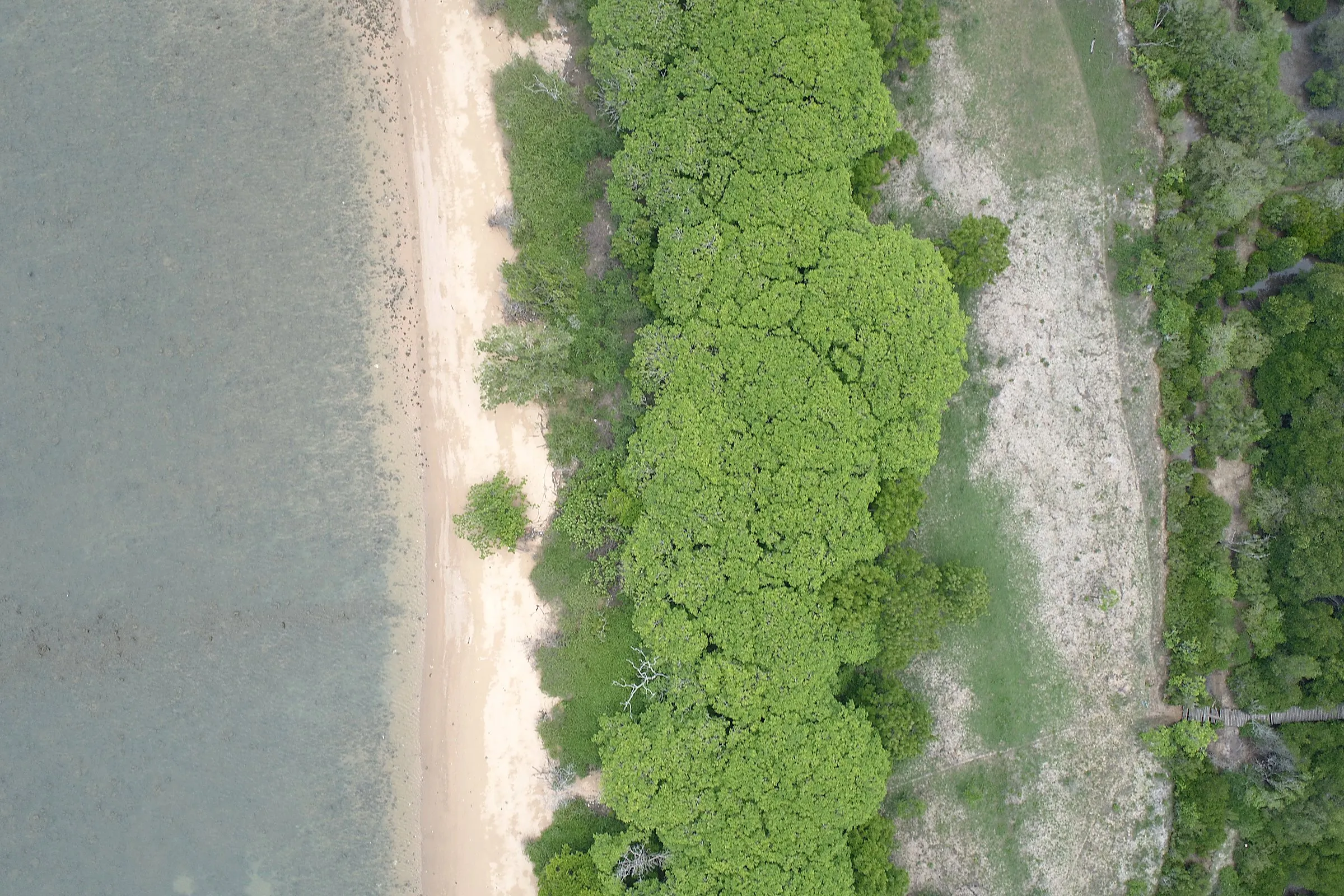
Coastal forest & grassland
Coastal forest and grassland along the shore, the transition between beach, mangroves and dry land.
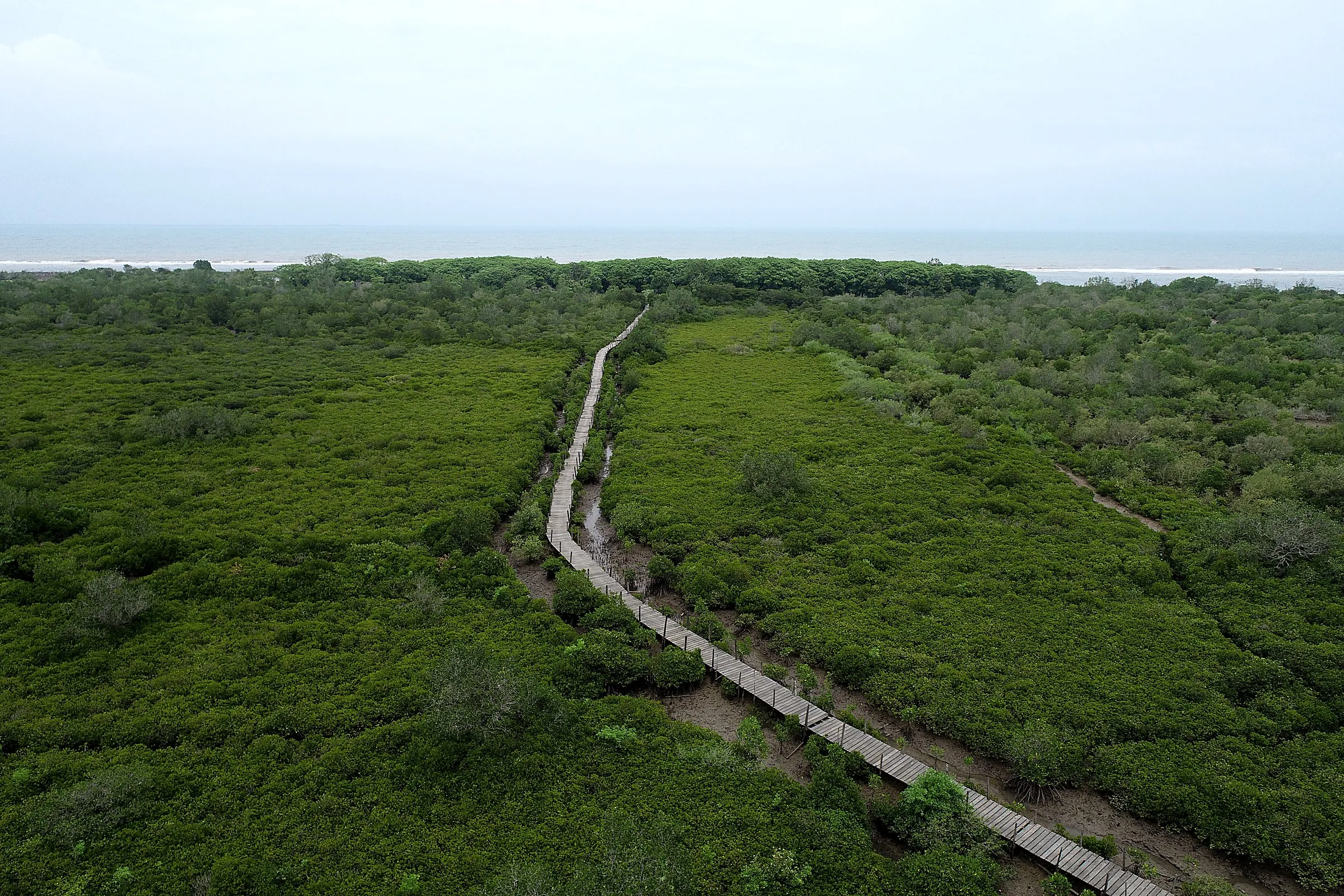
Mangroves
A vast mangrove forest dominated by Ceriops decandra, a species listed as Near Threatened worldwide.
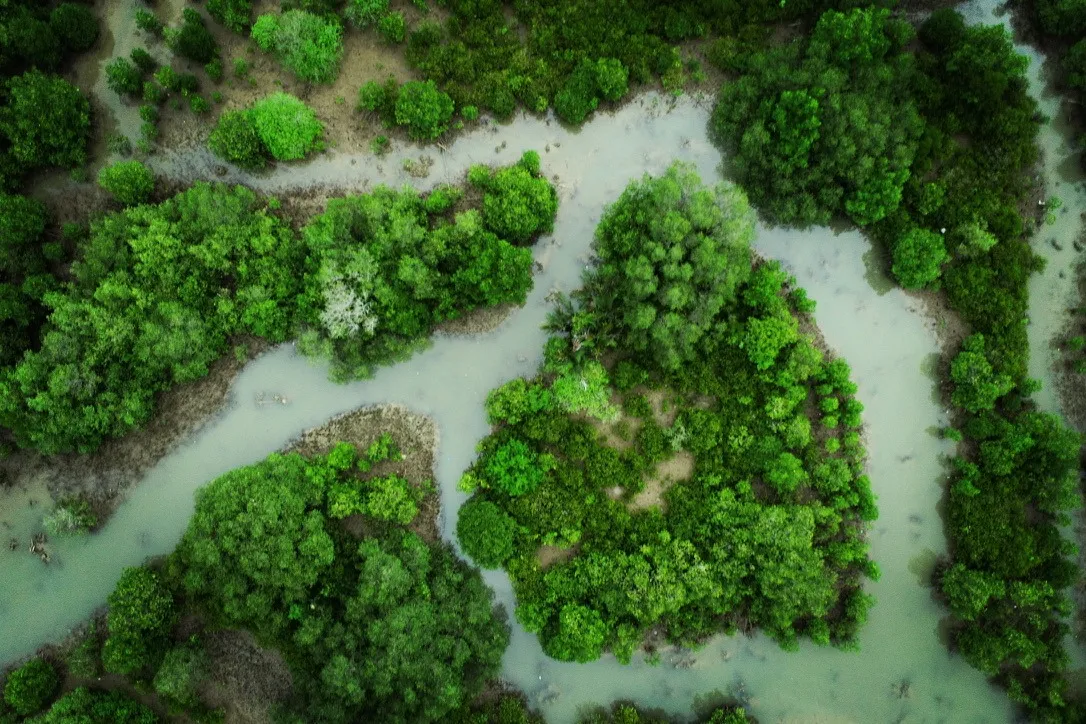
River
A river winding through the mangroves to the sea, home to fish, crabs and oysters.
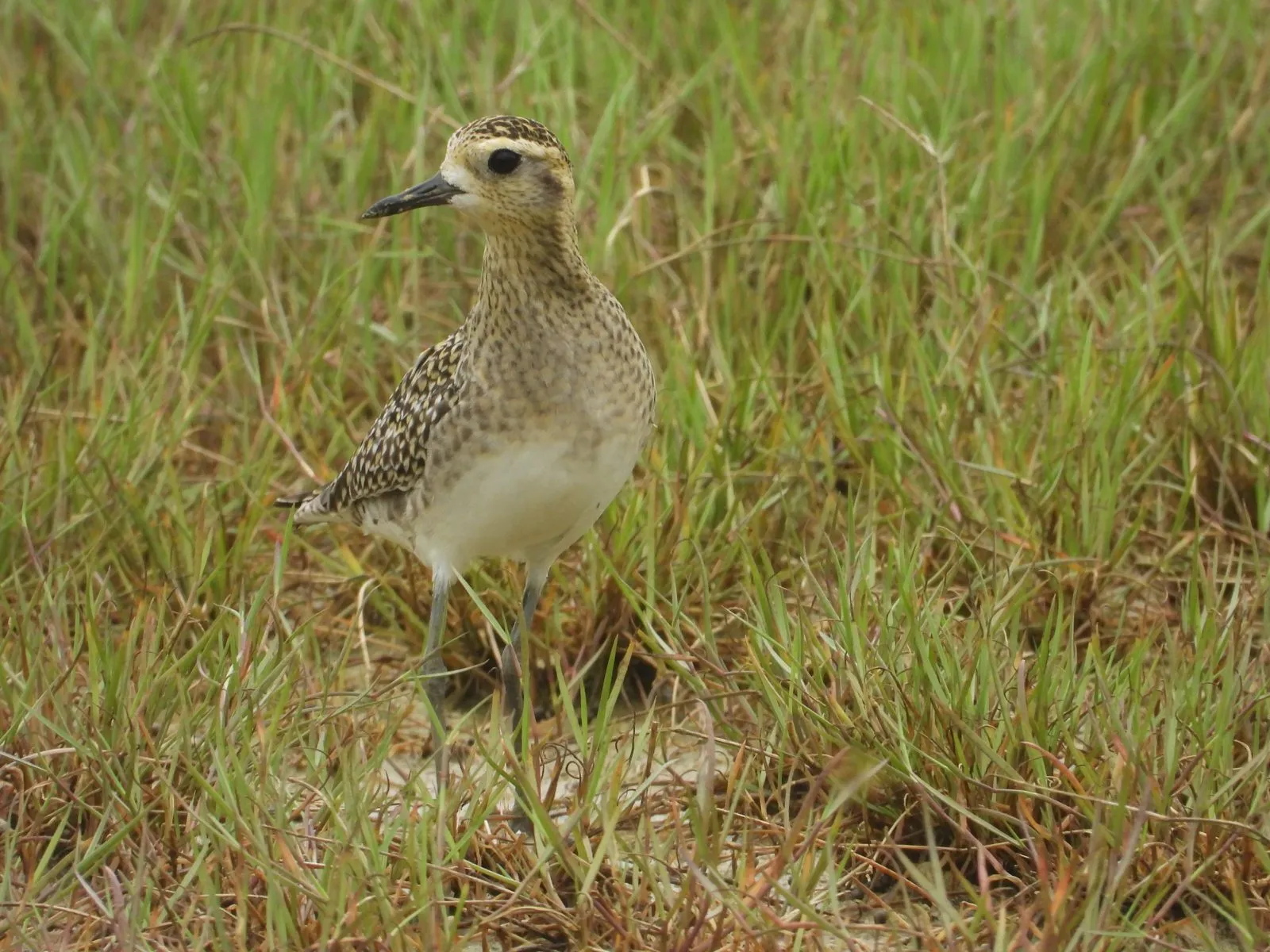
Fish ponds & former ponds
Former fish ponds where migratory shorebirds such as the Pacific golden plover stop to feed.
Livelihoods
A coast that sustains the village
The mangroves and the water in front of them support everyday livelihoods:
- A women’s group gathers oysters in the intertidal zone. This is where the Oysterlicious experience comes from.
- Traditional fishers work the river, ponds and coastal waters; others collect mangrove crabs.
- Villagers carry out the mangrove rehabilitation, and now also keep Trigona bees.
The mangroves also shield homes and ponds from waves, filter run-off and pond waste, and store carbon.
Learning
A place to learn, across generations
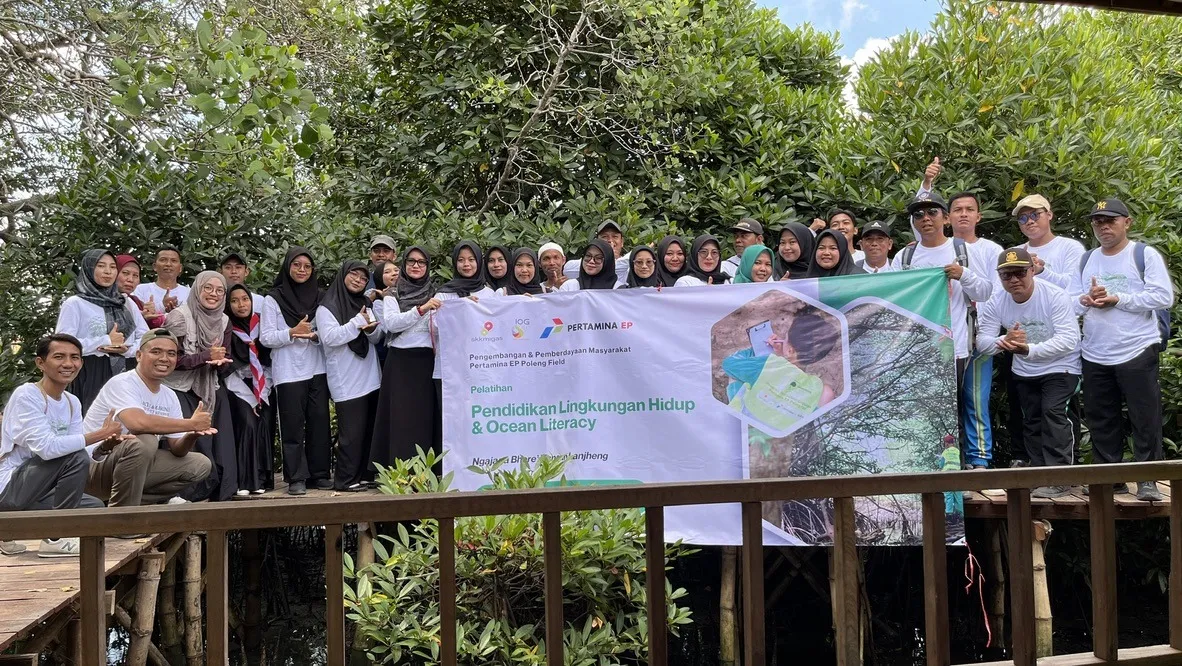
Through the Mangrove Sister School programme, the reserve is a classroom for primary schools in Sepulu district, senior high schools across Bangkalan regency and Scout groups in Sepulu. University students from partner campuses come for internships, fieldwork and research.
For the public there is the Ocean Literacy Program and a range of community-run activities, from mangrove walks to birdwatching.
The aim is simple: to grow care for, and a sense of ownership of, the coast, so that conservation carries on from one generation to the next.
How the forest came back
From the shrimp ponds of the 1990s and the programme’s start in 2017 to the 2025 biodiversity baseline.